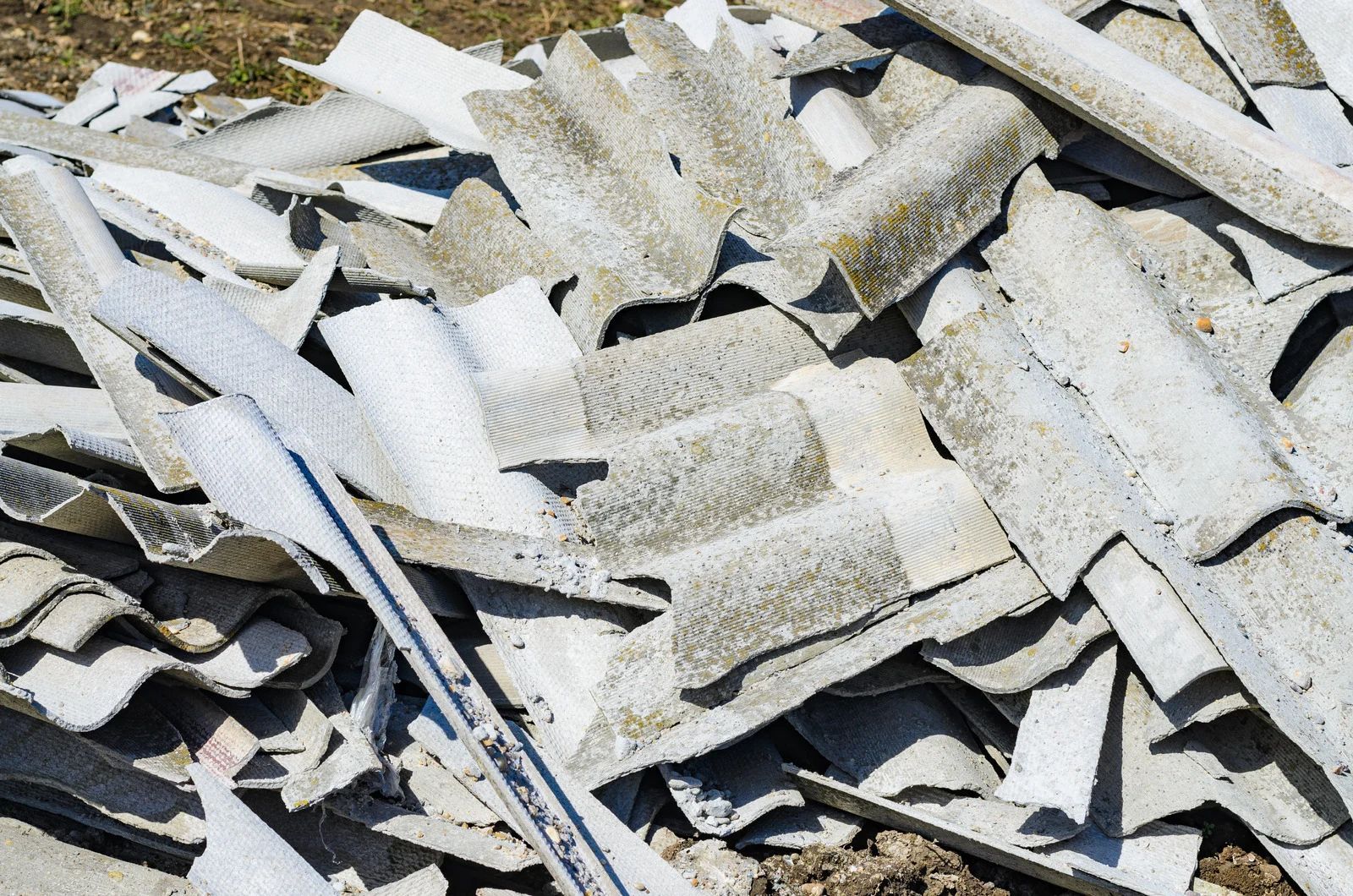
The Step-by-Step Guide to Safe Asbestos Removal & Abatement

Asbestos, once commonly used in construction for its heat-resistant and insulating properties, poses serious health risks when disturbed. Exposure to asbestos fibers can lead to lung diseases, including asbestosis, mesothelioma, and lung cancer. Therefore, proper removal and abatement are critical for the safety of both homeowners and workers. Safe handling requires knowledge, planning, and strict adherence to regulations. Whether you’re renovating an older building or managing commercial property, understanding the correct procedures ensures both compliance with law and protection of human health. This guide walks you through the essential steps for safe asbestos removal.
Step 1: Inspection and Testing
Before any removal begins, a certified asbestos professional must inspect the property. Samples of suspected materials, such as insulation, ceiling tiles, or flooring, are collected and tested in a laboratory. Accurate identification of asbestos-containing materials is crucial, as it determines the appropriate removal strategy. Attempting removal without testing can lead to unnecessary exposure and regulatory violations. Professional testing ensures safety and helps plan the scope of the project efficiently.
Step 2: Planning and Containment
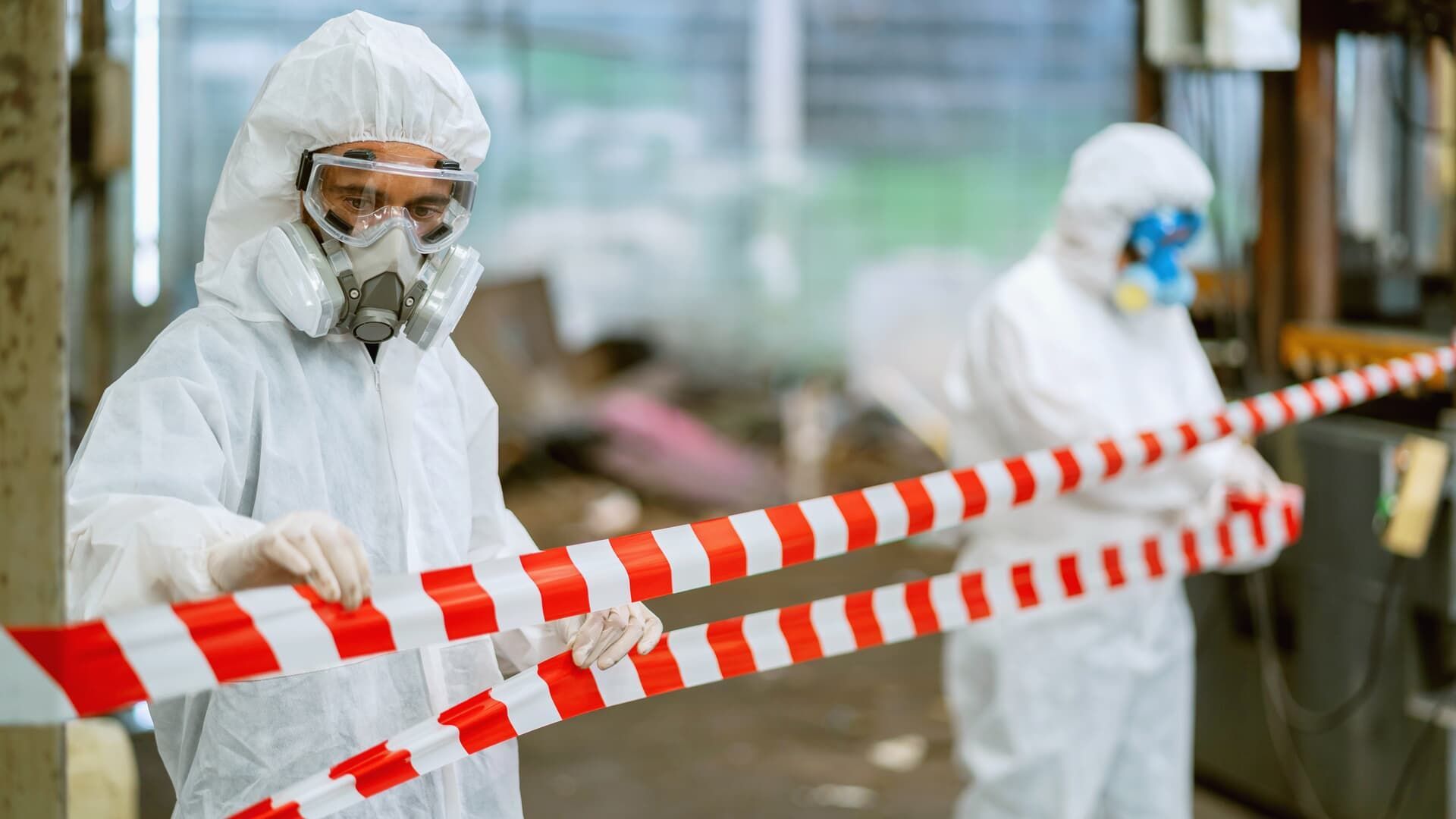
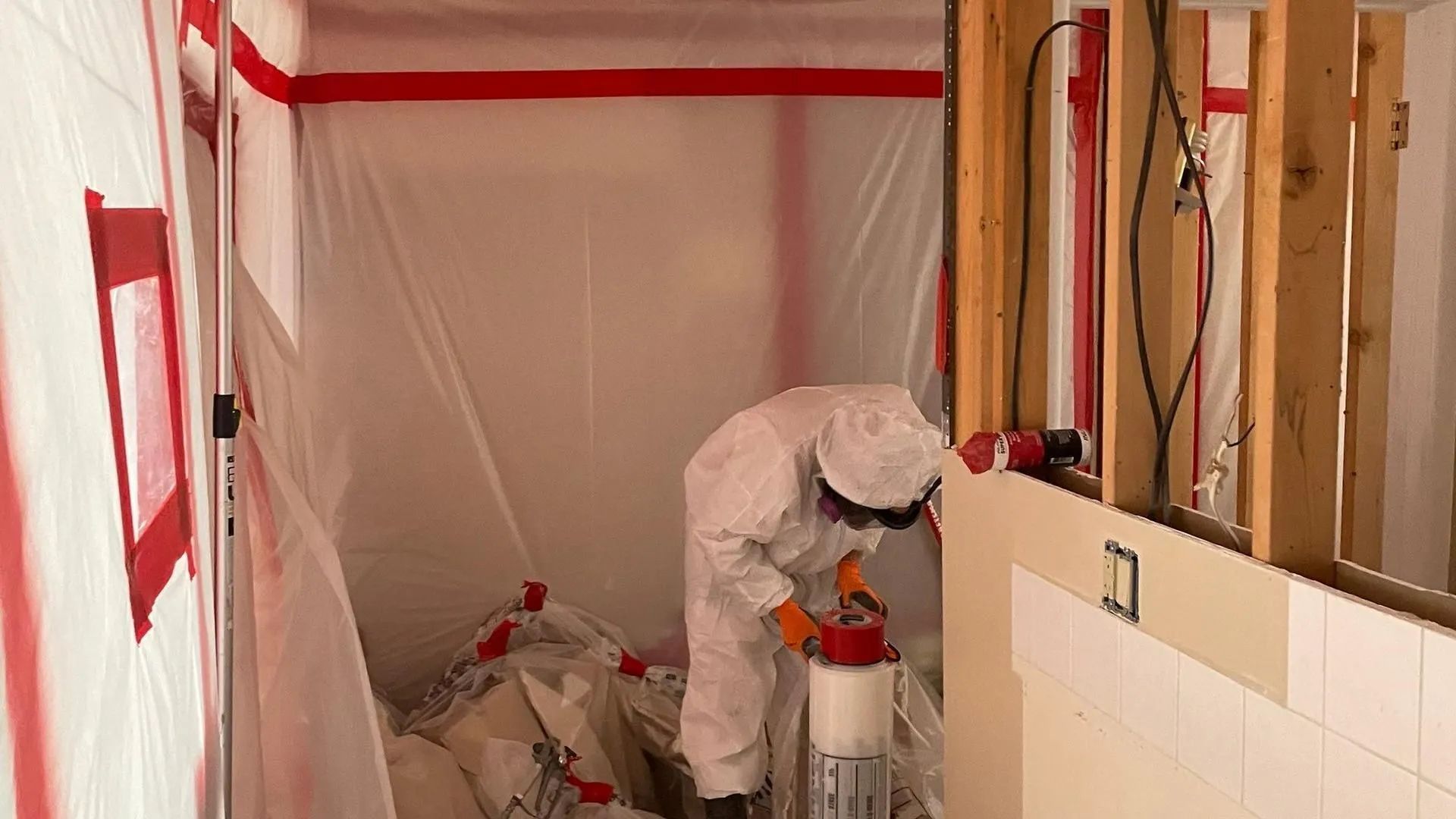
Once asbestos is confirmed, the next step is careful planning. A detailed removal plan is essential, covering the areas affected, the type of asbestos, and the disposal procedures. Containment measures, such as sealing off work areas with plastic sheeting and using negative air pressure units, prevent asbestos fibers from spreading to other parts of the property. Proper signage and restricted access ensure that unauthorized personnel are kept safe during the abatement process.
Step 3: Personal Protective Equipment (PPE)
Workers involved in asbestos removal must wear specialized PPE, including respirators, disposable coveralls, gloves, and eye protection. PPE minimizes direct exposure to hazardous fibers, reducing the risk of inhalation or contact with skin. Choosing the right equipment and ensuring it is properly fitted are critical for maintaining worker safety throughout the project.
Step 4: Safe Removal Techniques
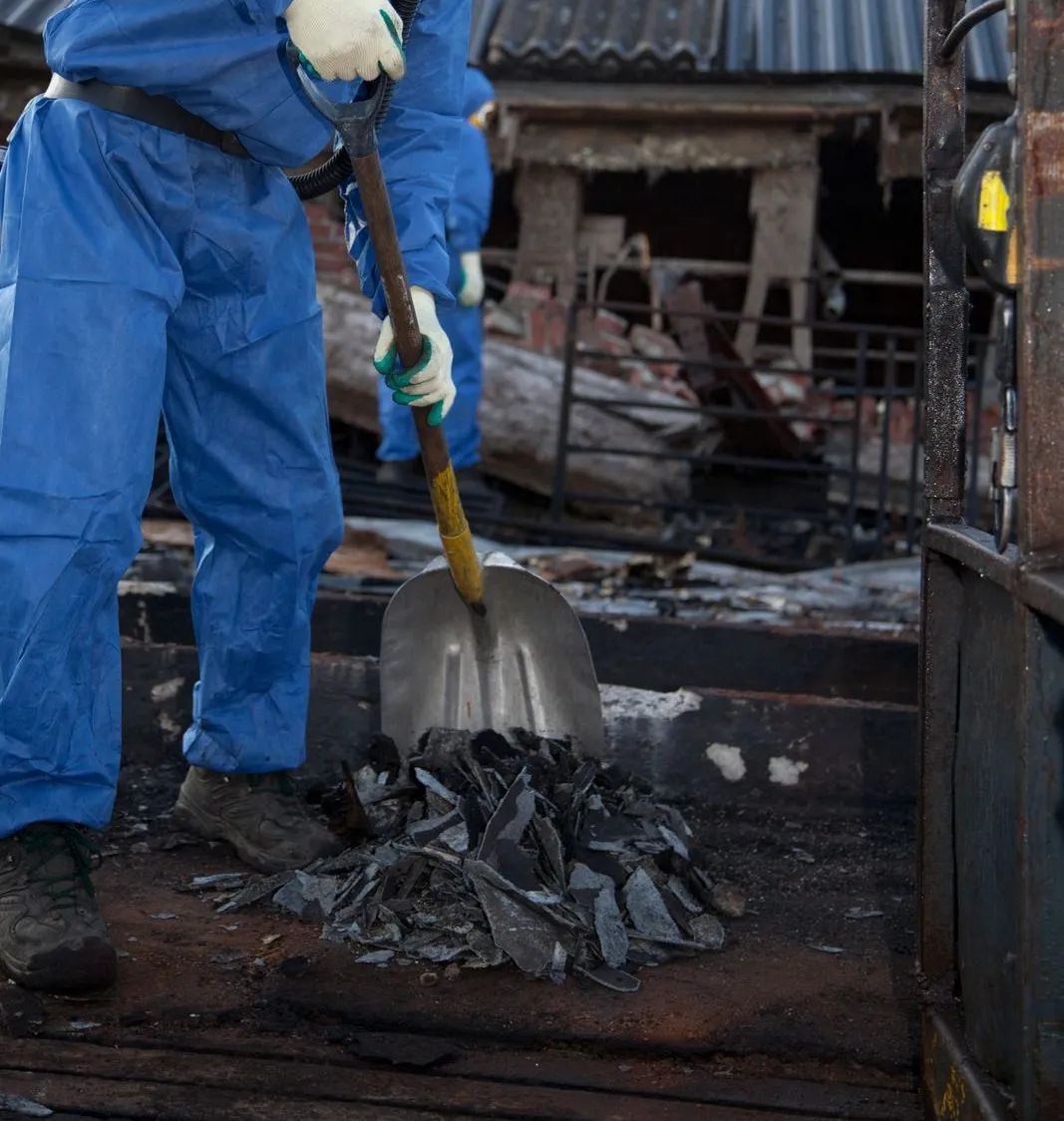
Asbestos-containing materials must be handled with care. Wet methods are often used to suppress dust, while materials are carefully removed in whole sections whenever possible. Power tools that could generate airborne fibers are strictly avoided. All removed materials are double-bagged or sealed in leak-tight containers, labeled as asbestos waste, and stored temporarily in a secure location until disposal.
Step 5: Disposal and Decontamination
Proper disposal is a crucial part of asbestos abatement. Materials must be transported to licensed disposal facilities that specialize in hazardous waste. After removal, the area is thoroughly cleaned using HEPA-filtered vacuums and wet wiping techniques. Workers undergo decontamination procedures, including the safe removal of PPE, to prevent contamination outside the work zone. Air clearance tests may also be conducted to ensure that the environment is safe for reoccupancy.
Trust The Experts for Safe Asbestos Management
Safe
asbestos removal is a complex and highly regulated process that requires professional expertise. The Asbestos Company, located in Northglenn, Colorado, has over 25
years of experience in asbestos testing, removal, and abatement. Our certified team follows strict safety protocols, ensuring that your home or workplace is free from hazardous fibers. With our extensive experience and commitment to safety, property owners can confidently rely on us for comprehensive asbestos solutions. Protect your health and property by trusting the experts who prioritize safety, compliance, and thorough results.