Emergency Spill Response Protocols: How Professionals Contain and Neutralize Hazards

Hazardous material spills present immediate risks to human health, the environment, and property. Whether in industrial plants, laboratories, transportation corridors, or construction sites, even a minor spill can escalate into a serious incident if not handled correctly. Professionals trained in emergency spill response follow strict protocols to contain, control, and neutralize these hazards efficiently, minimizing potential harm and ensuring regulatory compliance. The ability to respond quickly and methodically is critical to reducing the likelihood of injuries, environmental contamination, and costly operational disruptions. For businesses and organizations, establishing robust spill response procedures is no longer optional; it is an essential component of workplace safety and environmental stewardship.
Emergency spill response involves a combination of immediate action, specialized equipment, and a clear understanding of chemical properties. Professionals assess the situation, identify the type of material involved, and implement containment measures tailored to the specific hazard. From flammable liquids to toxic chemicals, the response strategies vary widely, requiring both technical knowledge and practical experience. Understanding these protocols not only enhances safety preparedness but also equips organizations to mitigate risks proactively, protect personnel, and safeguard surrounding communities. This guide explores the detailed processes and best practices that professional responders follow to manage hazardous spills effectively.
1. Assessing the Situation: Rapid Evaluation and Risk Analysis
Immediate Scene Assessment
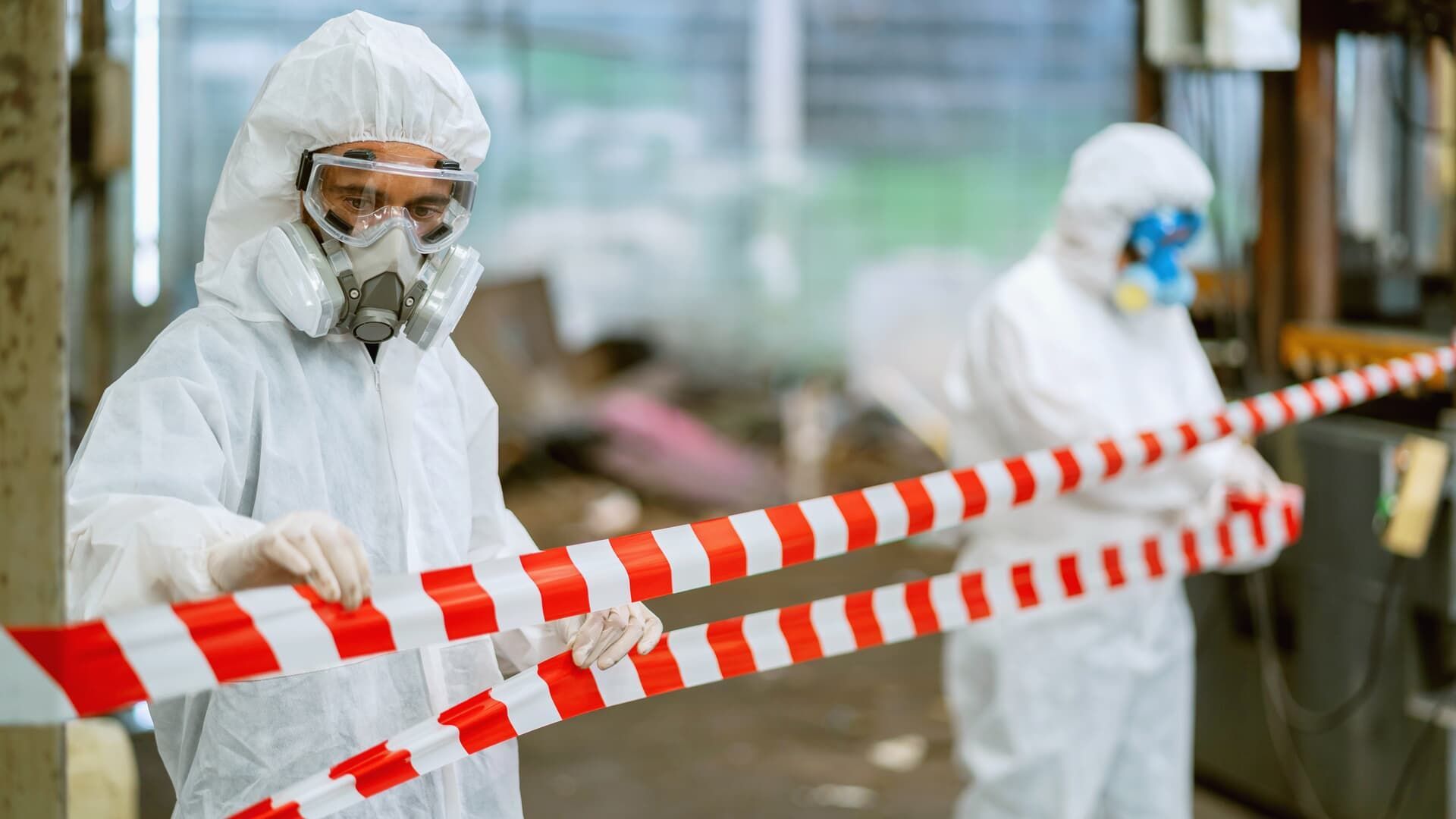
The first step in any spill response is a rapid and accurate assessment of the scene. Professionals prioritize the safety of personnel and the public, ensuring that evacuation or restricted access is initiated when necessary. They evaluate the type, quantity, and location of the spilled material, along with potential exposure risks. This initial evaluation dictates the urgency of the response and the appropriate containment measures.
Identifying Hazard Classes
Different hazardous materials require different handling approaches. Responders classify spills based on chemical properties such as flammability, corrosivity, toxicity, and reactivity. For instance, acids or alkalis may require neutralization, whereas flammable liquids necessitate eliminating ignition sources. Identifying the hazard class helps responders select suitable personal protective equipment (PPE), containment tools, and disposal methods.
Real-World Example
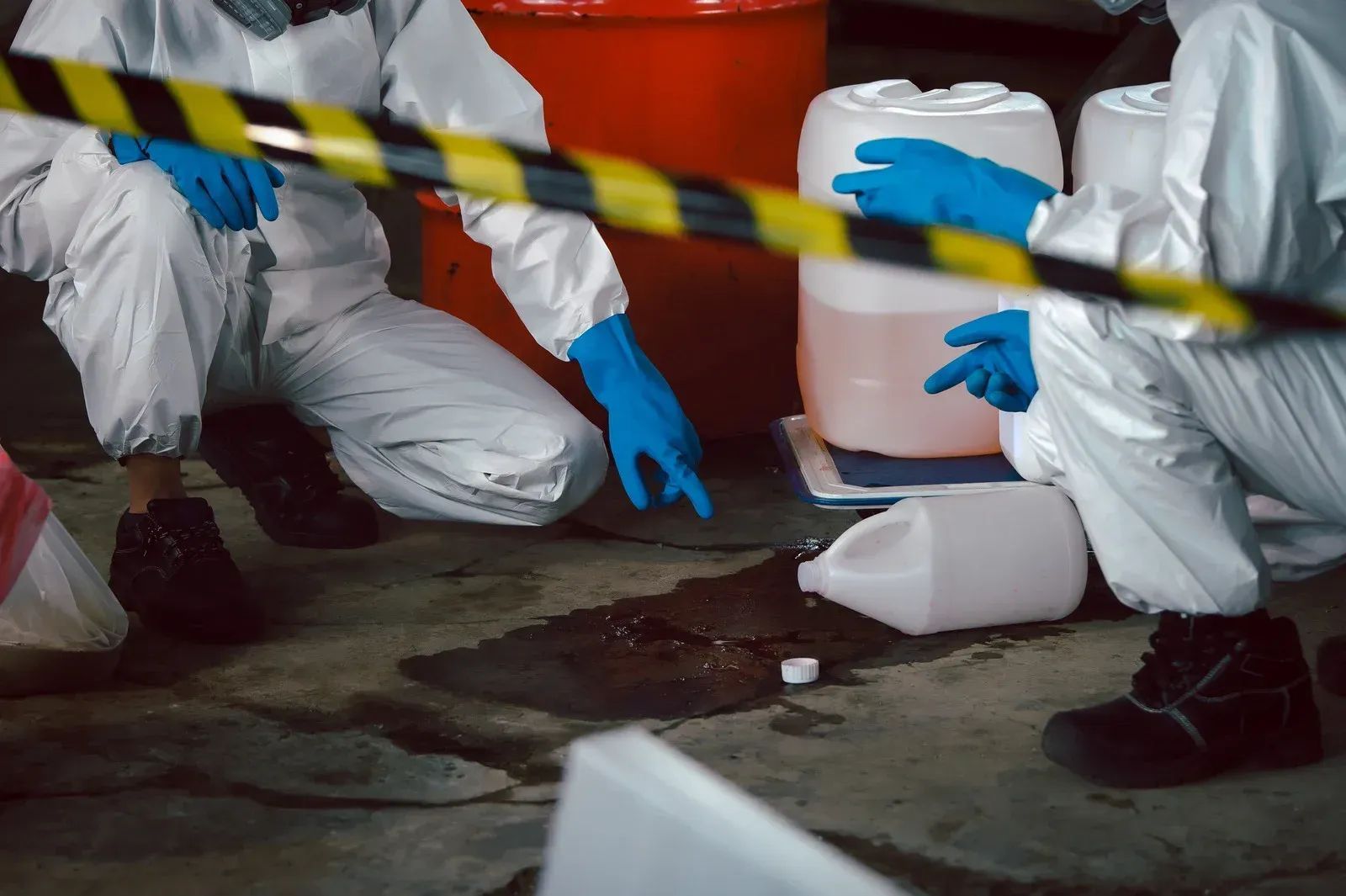
In a manufacturing facility, a chemical leak involving sulfuric acid can pose both inhalation and contact hazards. Professional responders quickly cordon off the area, assess the extent of the spill, and implement containment using absorbent barriers while coordinating ventilation to disperse fumes safely. Early and precise evaluation prevents minor leaks from turning into dangerous exposures.
2. Containment Strategies: Preventing Spread and Escalation
Physical Containment Techniques
Containment focuses on limiting the spread of hazardous materials immediately. Professionals use tools like spill berms, absorbent socks, dikes, and containment trays to control movement efficiently. Placement is strategic, often around drains, floor slopes, and high-traffic areas to prevent contamination from reaching critical zones quickly. For liquid spills, responders may also deploy barriers or temporary channels to divert the flow safely into controlled collection areas, minimizing potential environmental impact and workplace hazards.
Absorbents and Neutralizers
Absorbent materials, such as specialized pads, granules, or booms, play a crucial role in capturing liquids quickly and efficiently. In chemical spills, neutralizers are often used to stabilize reactive substances safely. For example, sodium bicarbonate can neutralize small acid spills, while lime or specialized powders may treat other reactive chemicals effectively. Choosing the right absorbent or neutralizer material is essential to avoid secondary reactions or exacerbating the hazard during initial response actions.
Challenges in Containment
Uncontrolled spills can spread rapidly, particularly when the material interacts with water, heat, or other chemicals. Large-scale industrial leaks often present significant logistical challenges, requiring coordinated use of multiple containment tools and experienced, trained personnel. Additionally, responders must constantly monitor environmental conditions, such as wind direction, surface slope, or temperature changes, that may influence the spread of airborne or liquid hazards unpredictably.
3. Neutralization and Decontamination: Mitigating Chemical Hazards
Chemical Neutralization
Neutralization involves rendering a hazardous substance chemically inert, stable, or less harmful. Professionals rely on extensive chemical knowledge and standardized protocols to ensure reactions are controlled, safe, and predictable. For example, acids can be neutralized with basic agents, while oxidizers may require specific reducing agents or stabilizers. Calculating correct quantities accurately and applying neutralizing materials methodically prevents violent reactions or further hazards during spill management operations.
4. Safety Protocols and Personal Protective Equipment (PPE)
Selecting Appropriate PPE
Proper personal protective equipment is absolutely essential during any hazardous spill response scenario. Professionals select gear based on the hazard type, concentration, and potential exposure routes to personnel. Common PPE includes chemical-resistant gloves, boots, full-body suits, eye protection, and respiratory devices appropriate for the specific chemicals involved. Using the correct combination significantly reduces the risk of burns, inhalation injuries, or contamination from direct contact with hazardous substances.
Monitoring Health and Safety
Continuous monitoring is a key aspect of spill response for maintaining personnel safety. Responders track air quality, chemical concentrations, and physical hazards such as slippery surfaces, unstable containers, or debris. In some cases, portable sensors, handheld chemical detectors, or monitoring equipment provide real-time feedback to ensure personnel are not exposed to harmful levels of hazardous chemicals accidentally.
Training and Drills
Routine training programs and emergency drills prepare teams for high-stress, unpredictable situations effectively. By practicing containment, neutralization, and decontamination techniques, responders build muscle memory, confidence, and the ability to execute procedures quickly and accurately. Companies often simulate complex spill scenarios to test coordination, equipment readiness, and communication protocols thoroughly under realistic conditions.
5. Waste Management and Regulatory Compliance
Safe Disposal of Contaminated Materials
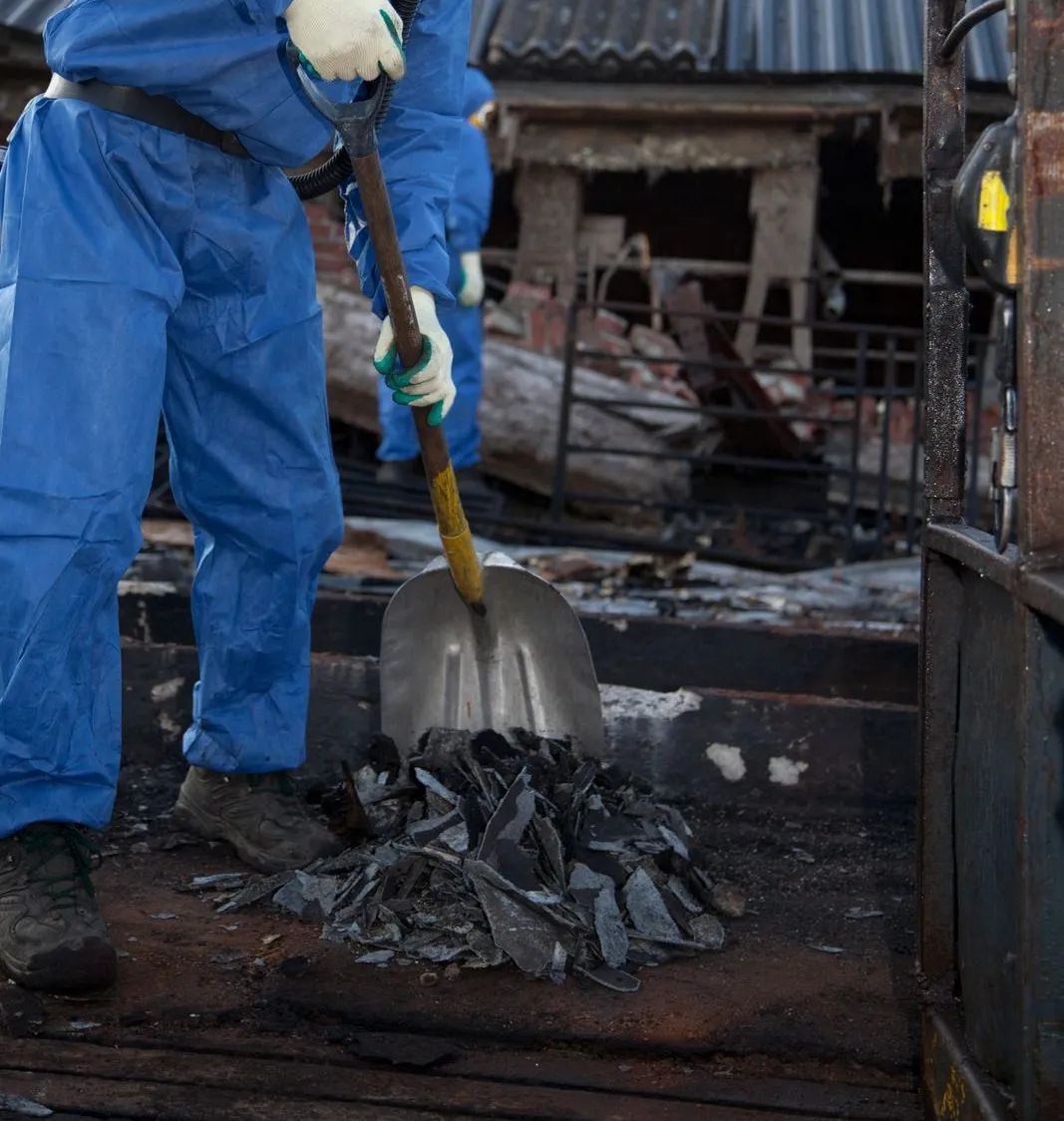
Once a spill is contained and neutralized effectively, the resulting waste must be handled according to strict local, state, and federal regulations. Professionals segregate waste based on hazard class, pack it in approved, clearly labeled containers, and transport it safely. This ensures that hazardous residues are disposed of correctly at licensed treatment or disposal facilities, minimizing risk to humans, wildlife, and the surrounding environment comprehensively.
Documentation and Reporting
Accurate documentation is vital for legal, regulatory, and operational purposes after a spill. Responders record details including spill type, materials involved, containment methods, and cleanup procedures comprehensively. Reporting may be required by multiple local, state, or federal agencies, particularly for large-scale or hazardous chemical spills. Proper records also support future risk assessments, audits, and improvements to emergency spill response protocols effectively.
Benefits of Compliance
Adhering to regulatory requirements consistently reduces legal liability, protects company reputation, and demonstrates a clear commitment to environmental stewardship and workplace safety. Companies that maintain detailed records, follow industry-standard protocols, and update training practices are better positioned to prevent repeat incidents, improve operational safety, and enhance employee and community confidence over time.
6. Lessons Learned and Best Practices
Post-Incident Analysis
After any hazardous spill, professional teams conduct a thorough review to identify successes and areas for improvement systematically. This process includes analyzing response time, containment effectiveness, PPE usage, and communication efficiency among team members. Lessons learned inform updates to standard operating procedures, staff training programs, and equipment deployment strategies for better future preparedness.
Proactive Spill Prevention
While emergency response remains critical, proactive prevention is often the most effective long-term safety strategy. Regular inspections, proper storage practices, and robust maintenance schedules help reduce the likelihood of accidental releases significantly. Using secondary containment for high-risk materials, combined with ensuring staff are trained on hazard recognition and safe handling, further enhances overall workplace safety culture.
Case Study Example
In a chemical processing plant, repeated minor leaks prompted a comprehensive review of storage, handling, and procedural practices. Implementing secondary containment, placing spill kits at strategic locations, and enhancing employee training successfully reduced the number of incidents by 80% within just one year. This proactive approach demonstrated how systematic prevention and preparedness effectively complement emergency spill response protocols.
Reliable Professionals Safeguarding Your Workplace Environment
At The Asbestos Company, we understand the importance of precise hazard management. Based in Northglenn, Colorado, and serving clients for 25+ years, our team specializes in asbestos testing services designed to safeguard health and property. By combining deep expertise with rigorous protocols, we ensure that hazardous materials are identified, contained, and mitigated safely. Our commitment to thorough testing, clear reporting, and client education reflects our dedication to protecting both people and the environment, establishing us as a trusted authority in hazard management.