Handling Major Spills: Best Practices for Safety and Compliance

January 22, 2026

In industrial and commercial environments, major spills pose a significant risk to both personnel and the surrounding environment. From chemical leaks to hazardous material releases, the consequences of mishandled spills can range from serious injuries and environmental contamination to regulatory penalties, financial losses, and reputational damage. Businesses that manage or store hazardous substances must prioritize spill preparedness, ensuring that employees are properly trained, protocols are rigorously enforced, and response measures fully align with industry safety standards. A proactive approach not only reduces the immediate dangers of spills but also strengthens overall workplace safety culture, operational efficiency, and long-term regulatory compliance.


Understanding the complexities of major spill management requires a clear grasp of regulatory requirements, appropriate equipment usage, and systematic response strategies that cover all potential scenarios. Effective spill handling goes beyond simply cleaning up the substance; it involves containment, hazard assessment, proper disposal, ongoing monitoring, and meticulous documentation to ensure compliance with local, state, and federal regulations. By following established best practices, organizations can minimize risks, protect their workforce, prevent environmental harm, and demonstrate strong environmental responsibility. In this guide, we explore essential strategies for handling major spills safely and effectively, including preparation, response, cleanup, and compliance measures. These actionable insights provide a roadmap for businesses committed to mitigating risks while maintaining operational continuity and safeguarding their reputation.

1. Preparing for Major Spills

  • Risk Assessment and Hazard Identification

    Preparation begins with understanding what types of spills are most likely to occur in your facility. Conducting a thorough risk assessment helps identify hazardous materials, their storage locations, and potential spill scenarios. This includes evaluating the chemical properties of substances, such as flammability, reactivity, and toxicity, which influence the appropriate response method.


    For instance, an industrial site handling corrosive acids requires specialized containment strategies distinct from those used for oil or non-toxic liquids. Creating a detailed inventory of chemicals, coupled with Material Safety Data Sheets (MSDS), ensures responders can quickly access critical information during an emergency.

  • Spill Prevention Measures

    Preventive measures are the first line of defense against major spills. Implementing secondary containment solutions, such as spill pallets or berms, reduces the likelihood of hazardous materials escaping primary storage containers. Regular maintenance of equipment, proper labeling, and staff training on safe handling procedures further minimize risks.


    A real-world example is the manufacturing sector, where companies often install drip trays under tanks and use automated sensors to detect leaks early. This proactive approach significantly lowers the chance of a full-scale spill, saving both costs and potential regulatory headaches.

2. Immediate Response to Spills

Safety First: Protecting Personnel

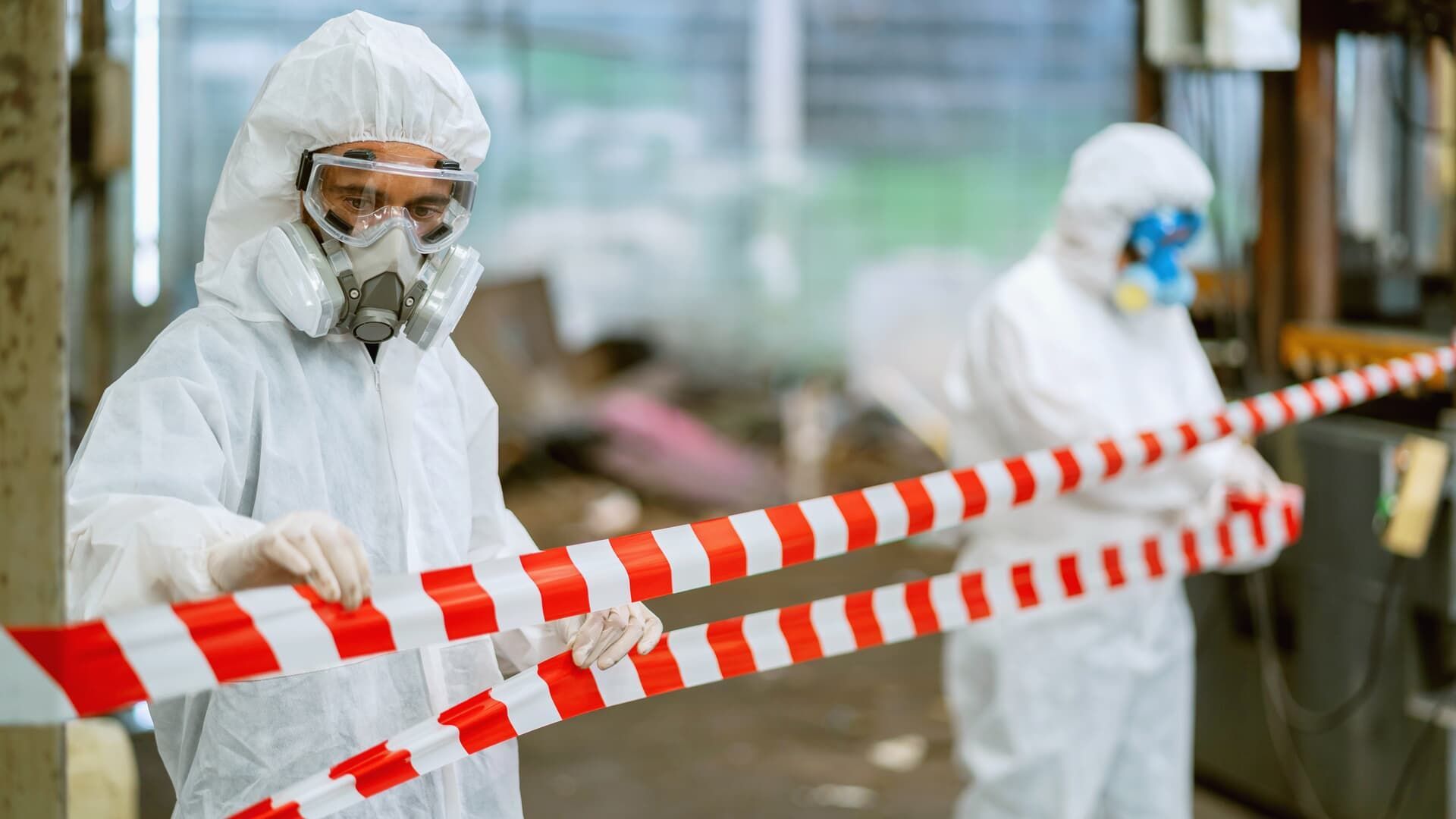
When a spill occurs, the priority is always human safety. Employees must follow established protocols, don appropriate personal protective equipment (PPE), and evacuate non-essential personnel from the affected area. Depending on the material, PPE may include gloves, goggles, chemical-resistant suits, or respiratory protection.


For example, a chlorine gas leak requires rapid evacuation and specialized respirators, while a spill of non-toxic water-based chemicals may require only gloves and protective footwear. Providing clear instructions and training ensures staff can respond swiftly and safely, reducing the risk of injury.

Containment Techniques

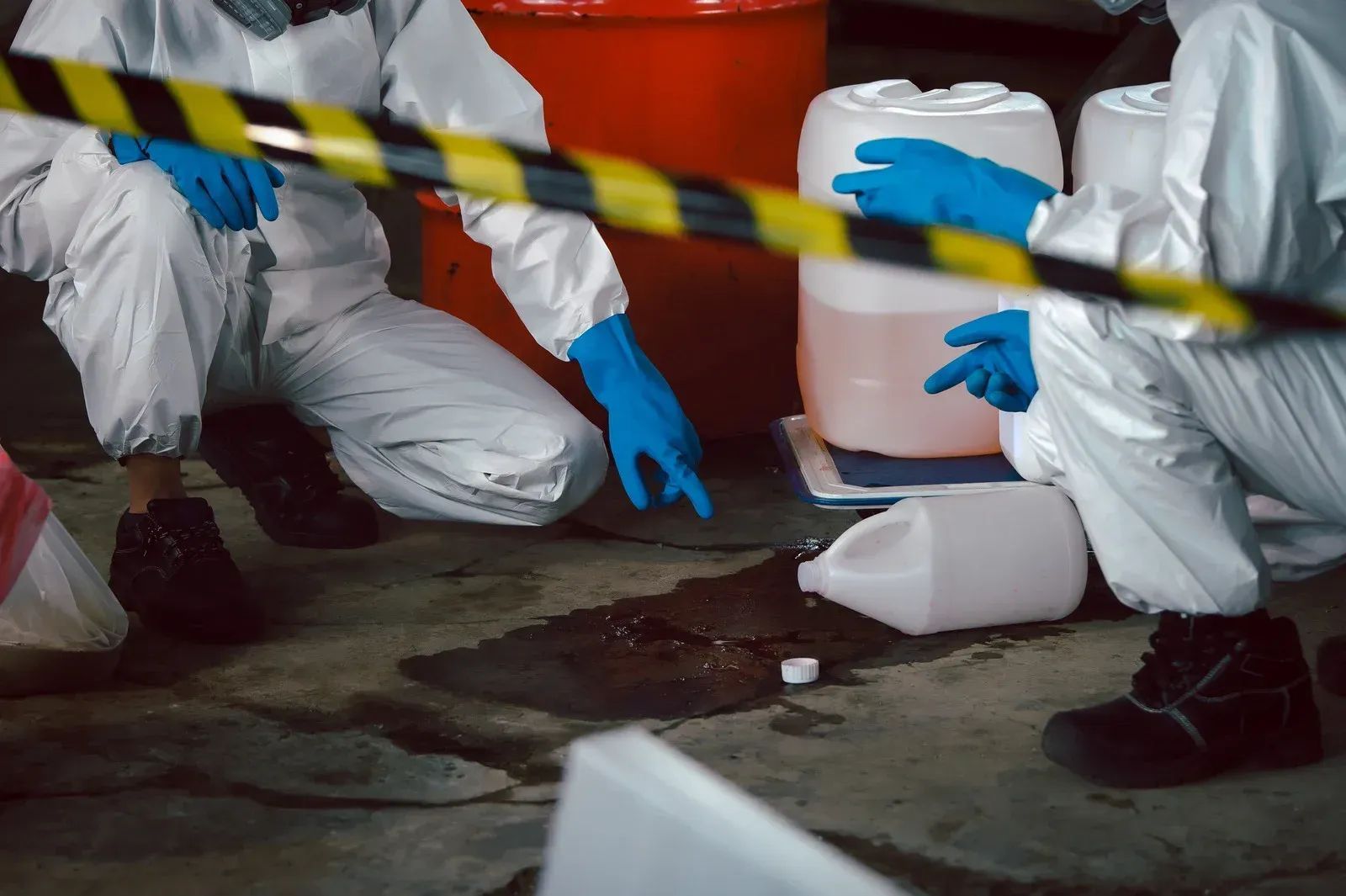
Containment is critical to preventing a spill from spreading and causing further damage. Using absorbent materials, barriers, or spill kits can isolate the substance. In liquid chemical spills, containment booms or dikes are often deployed to stop the material from reaching drains or open areas.


A practical scenario is in warehousing facilities, where oil or fuel leaks can quickly infiltrate stormwater systems. Prompt deployment of containment measures prevents environmental contamination and limits cleanup complexity.

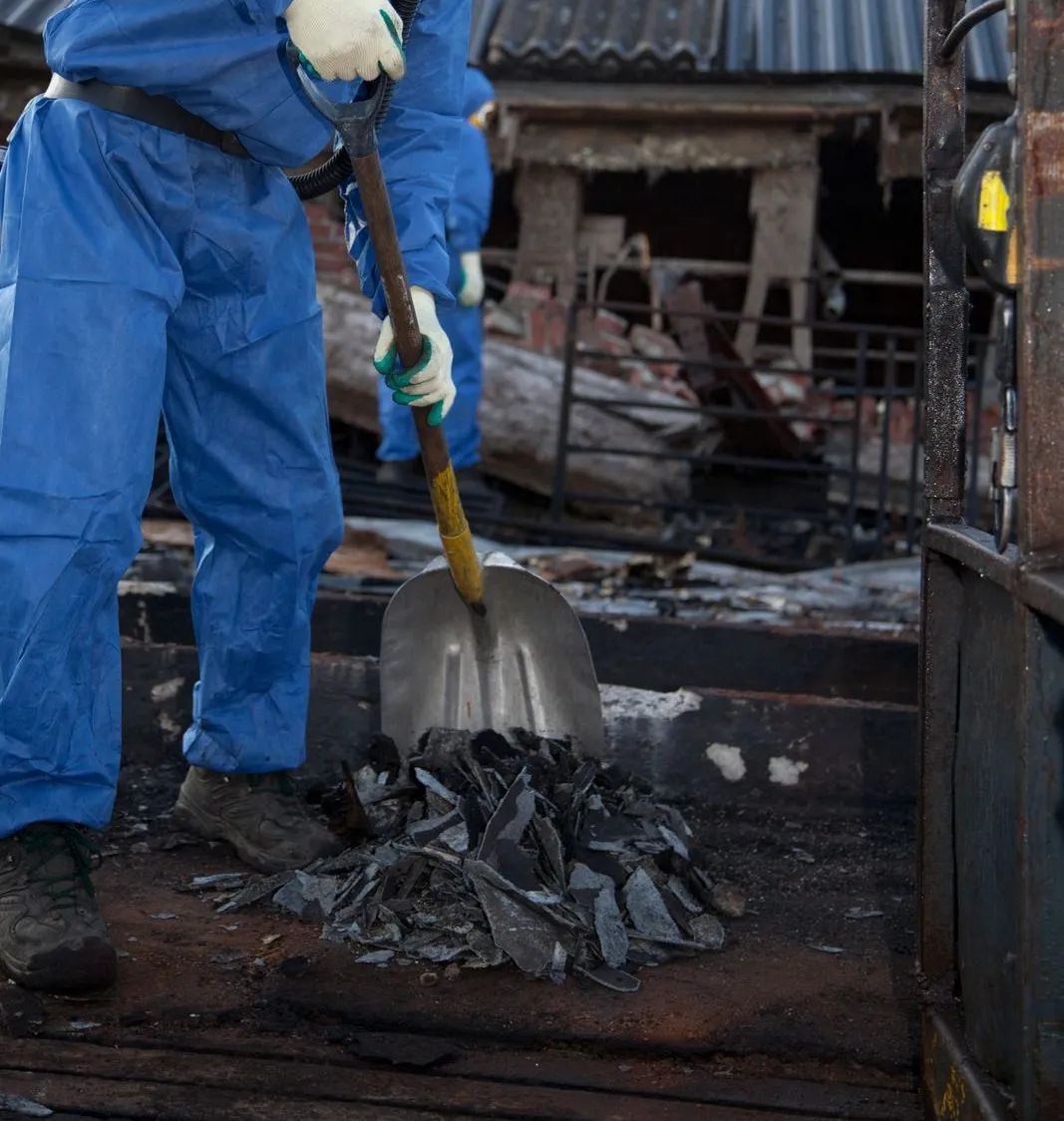
3. Cleanup and Decontamination

4. Regulatory Compliance and Documentation

  • Understanding Legal Requirements

    Compliance with environmental and occupational safety regulations is a critical aspect of major spill management. Regulatory bodies, such as the Environmental Protection Agency (EPA) and Occupational Safety and Health Administration (OSHA), provide guidelines on handling, reporting, and disposing of hazardous substances.


    Businesses must ensure that response plans adhere to these regulations to avoid legal penalties. For example, large-scale chemical spills often trigger mandatory reporting, and failure to notify authorities can lead to significant fines. Awareness of local regulations, in addition to federal requirements, ensures comprehensive compliance.

  • Maintaining Accurate Records

    Detailed documentation of spill incidents is essential for regulatory compliance and future prevention efforts. Records should include the type and quantity of material spilled, containment and cleanup methods, personnel involved, and any injuries or environmental impacts.


    Real-world benefits of thorough documentation are evident in industries such as chemical manufacturing, where historical spill data informs safety audits and risk assessments. Maintaining accurate records demonstrates due diligence, supports continuous improvement, and can be crucial in legal proceedings or insurance claims.

5. Training and Preparedness Programs

Employee Training

Effective spill management relies on well-trained staff. Regular training programs should cover hazard recognition, PPE usage, spill response procedures, and emergency communication protocols. Scenario-based drills enhance readiness and ensure employees can respond under pressure.


A practical example is in the pharmaceutical industry, where regular mock spills of non-hazardous materials help staff practice containment, cleanup, and reporting procedures without exposure to real hazards. Such training builds confidence and reduces the risk of errors during actual emergencies.

Emergency Response Planning

Comprehensive spill response plans outline responsibilities, communication channels, and step-by-step actions during an incident. These plans should be accessible, reviewed regularly, and updated based on lessons learned from past incidents.


Facilities often include a dedicated spill response team trained to handle specific types of hazardous materials. Regular reviews and tabletop exercises help refine response plans, identify gaps, and enhance overall preparedness.

6. Challenges and Best Practices

  • Common Challenges

    Managing major spills presents several challenges. These include unpredictable spill behavior, limited access to hazardous areas, resource constraints, and the potential for human error. Environmental factors such as weather conditions or nearby water sources can further complicate containment and cleanup efforts.


    For example, outdoor chemical spills during heavy rain may spread rapidly into storm drains, necessitating immediate deployment of portable containment systems. Anticipating and planning for these variables is critical for successful spill management.

  • Industry Best Practices

    Implementing industry best practices improves both safety and efficiency in spill response. Key strategies include:


    • Conducting regular risk assessments and safety audits.

    • Stocking accessible and well-maintained spill kits.

    • Providing comprehensive employee training and refresher courses.

    • Developing clear communication protocols for emergencies.

    • Reviewing and updating spill response plans regularly.

    • Engaging professional hazardous material contractors for high-risk scenarios.

    Following these practices not only mitigates risk but also reinforces regulatory compliance and demonstrates organizational commitment to environmental stewardship. Businesses that invest in preventive measures and staff preparedness are better positioned to respond effectively, minimizing potential harm to people, property, and the environment.

Person wearing gloves lifts a weathered, gray asbestos roof panel.
December 29, 2025
Asbestos, once widely used in construction materials for its heat resistance and durability, poses serious health risks when disturbed.
Person in white protective suit inside a containment area, working on a wall with equipment.
November 25, 2025
sbestos, once commonly used in construction for its heat-resistant and insulating properties, poses serious health risks when disturbed. Exposure to asbestos fibers can lead to lung diseases, including asbestosis, mesothelioma, and lung cancer.
Two people in hazmat suits inspecting a flooded industrial site.
October 27, 2025
Renovating an older property can be an exciting and rewarding endeavor. However, older buildings often carry hidden hazards that can pose serious health risks if not properly addressed. One of the most significant threats is asbestos,
Person wearing gloves lifts a weathered, gray asbestos roof panel.
December 29, 2025
Asbestos, once widely used in construction materials for its heat resistance and durability, poses serious health risks when disturbed.
Person in white protective suit inside a containment area, working on a wall with equipment.
November 25, 2025
sbestos, once commonly used in construction for its heat-resistant and insulating properties, poses serious health risks when disturbed. Exposure to asbestos fibers can lead to lung diseases, including asbestosis, mesothelioma, and lung cancer.
Two people in hazmat suits inspecting a flooded industrial site.
October 27, 2025
Renovating an older property can be an exciting and rewarding endeavor. However, older buildings often carry hidden hazards that can pose serious health risks if not properly addressed. One of the most significant threats is asbestos,