Methamphetamine Residue Cleanup: Protecting Families and Restoring Safe Living Spaces

February 20, 2026

Methamphetamine production and abuse have far-reaching consequences that extend far beyond the immediate users. One of the most insidious dangers lies in the toxic residue left behind after methamphetamine is manufactured or consumed in a residential space. This residue, often invisible to the naked eye, can linger on walls, ceilings, carpets, furniture, and HVAC systems, posing significant health risks to anyone entering or living in the affected property. Families, particularly children, are most vulnerable to exposure, which can lead to serious respiratory problems, neurological damage, and long-term health complications. The effects are not always immediately apparent, making early detection and awareness critical for preventing ongoing exposure. Understanding the nature of methamphetamine residue and the risks it presents is essential for homeowners, landlords, and property managers who aim to protect residents and maintain property value.


Addressing methamphetamine contamination requires more than simple cleaning. It involves a thorough, professional remediation process that neutralizes toxins and restores the property to a safe, habitable condition. As meth use and clandestine production continue to impact communities nationwide, the demand for expert meth residue cleanup has become a critical public health concern. Prompt and professional intervention not only protects occupants’ health but also preserves the long-term structural integrity of homes. This guide explores the key aspects of methamphetamine residue cleanup, including contamination identification, cleanup protocols, safety measures, and best practices to ensure living spaces are restored and safe for families. By following expert-recommended procedures, property owners can confidently reclaim spaces once contaminated by methamphetamine.

Understanding Methamphetamine Residue

  • What Is Meth Residue?

    Methamphetamine residue, also known as meth contamination, is the leftover chemical byproduct from meth production or use. During the cooking process, volatile chemicals such as pseudoephedrine, hydrochloric acid, acetone, and lithium react and produce a toxic environment. These chemicals cling to surfaces, penetrate porous materials, and settle in dust particles, creating a persistent hazard. Unlike visible stains or odors, meth residue is often colorless and odorless, making detection challenging without proper testing.

  • How Residue Affects Health

    The health risks of meth residue are serious and well-documented. Chronic exposure can lead to respiratory issues, skin irritation, headaches, dizziness, and behavioral changes. Children and infants are particularly susceptible due to their developing immune and neurological systems. Prolonged exposure may result in developmental delays, learning difficulties, and chronic health conditions. Adults may experience headaches, nausea, and cognitive impairments, while pregnant women risk complications affecting fetal development.

  • Real-World Examples

    Properties that were previously clandestine meth labs often continue to pose risks long after they are abandoned. For instance, real estate investors and landlords have reported tenants experiencing unexplained illnesses after moving into seemingly clean homes. Such cases highlight the necessity of professional methamphetamine residue testing before occupying any property with a suspicious history.

Detecting Methamphetamine Contamination

Signs of Possible Contamination

Identifying meth contamination is not always straightforward, as residues can be hidden in walls, carpets, and furniture. Common indicators include:


  • Chemical odors resembling ammonia or solvents
  • Unexplained stains on walls, ceilings, or floors
  • Unusual ventilation or HVAC issues
  • Reports from previous occupants regarding drug activity


While these signs are indicative, they are not definitive, underscoring the importance of professional testing.

Testing Methods

Professional meth testing involves collecting surface swabs, air samples, and dust samples, which are then analyzed in certified laboratories. These tests detect the presence and concentration of methamphetamine on various surfaces. Advanced testing can even identify contamination levels that pose long-term health risks.

Challenges in Detection

Meth residue can seep into porous materials like drywall, insulation, and fabrics, making it difficult to assess contamination fully. DIY testing kits are available but often provide unreliable results. Professional testing ensures accurate detection and informs the remediation process, preventing incomplete cleanup that could leave families at risk.

Effective Cleanup Strategies

Safety Precautions During Cleanup

  • Personal Protective Equipment (PPE)

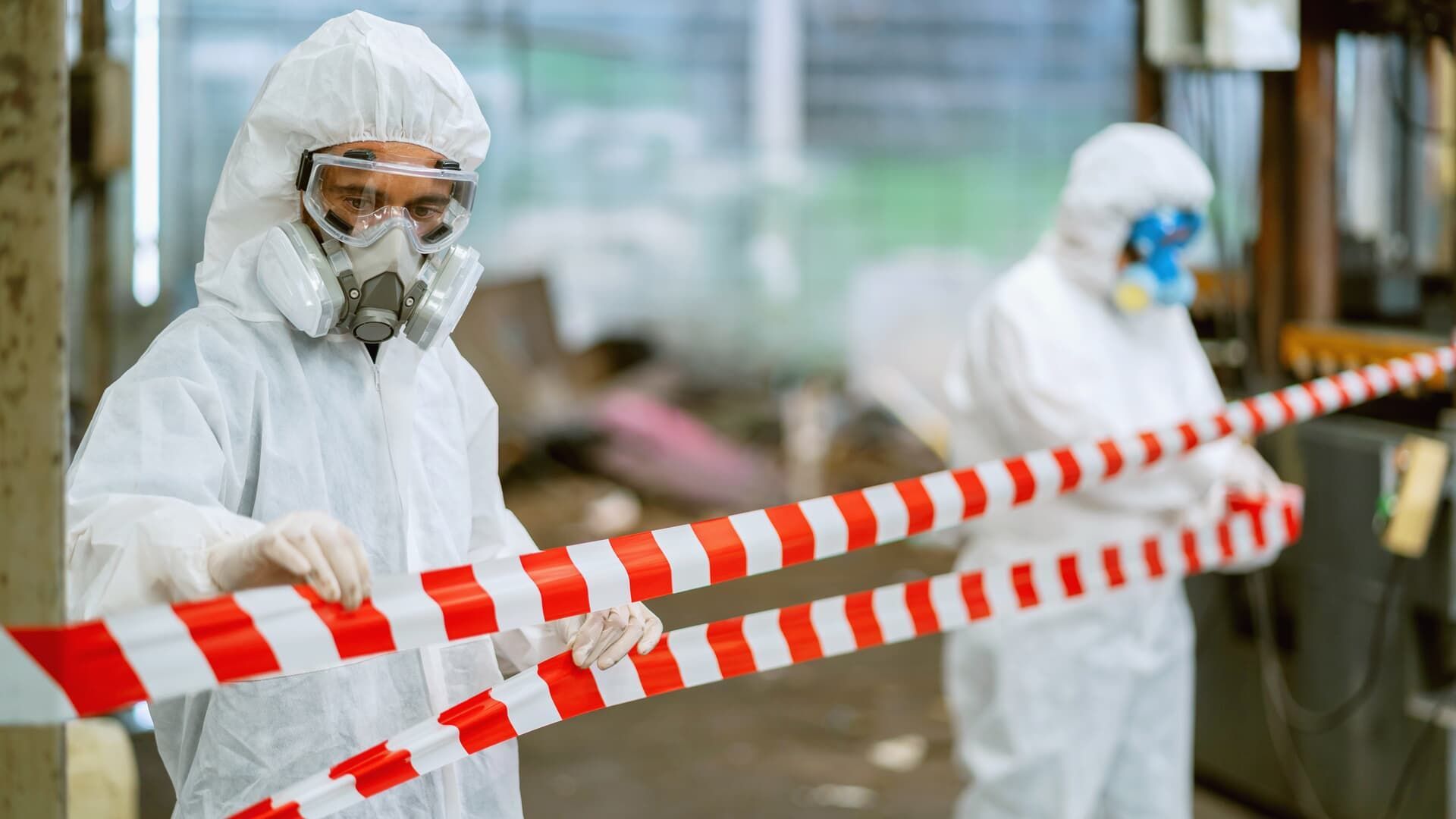
    Proper protective gear is essential for anyone involved in methamphetamine residue cleanup. PPE includes:


    • Respirators or masks capable of filtering chemical vapors
    • Disposable gloves and coveralls
    • Eye protection to prevent irritation from cleaning agents
    • Shoe covers to avoid spreading contaminants

    Using PPE reduces exposure risk and ensures the cleanup process is conducted safely.

  • Containment and Decontamination

    Professional teams establish containment zones to prevent residue from spreading during cleanup. Decontamination of tools, equipment, and personnel prevents secondary contamination and maintains a safe environment for both workers and future occupants. These measures are critical in minimizing health risks and preserving the integrity of the property long-term.

  • Legal and Regulatory Considerations

    Certain jurisdictions require methamphetamine-contaminated properties to be reported and remediated according to specific safety standards. Non-compliance can result in legal penalties, decreased property value, and liability issues for property owners. Engaging certified professionals ensures strict adherence to local and federal regulations, providing both safety and legal protection for everyone involved.

Challenges and Considerations in Meth Cleanup

Hidden Contamination

One of the most significant challenges in meth cleanup is hidden contamination. Residue can penetrate deep into materials and linger for years, posing ongoing risks to health and property. This makes comprehensive testing, thorough remediation, and professional assessment essential for ensuring long-term safety and habitability.

Cost Implications

Professional meth cleanup can be expensive due to the specialized equipment, chemicals, and labor required. Costs vary depending on the property size, contamination severity, and materials involved in remediation. While expensive, professional cleanup is a necessary investment in long-term health, occupant safety, and sustained property value.

Post-Cleanup Maintenance

After remediation, ongoing monitoring and maintenance are crucial for ensuring continued safety. Regular inspections, especially if the property changes occupancy, help detect any residual contamination or emerging threats early. Educating occupants about potential risks, safe practices, and preventive measures ensures a fully safe living environment for years.

Benefits of Professional Intervention

The benefits of professional methamphetamine residue cleanup extend beyond immediate health protection. These include:


  • Restored property value and marketability
  • Legal compliance and documentation
  • Peace of mind for families and occupants
  • Prevention of long-term health complications


Professional intervention ensures both immediate safety and long-term wellbeing for residents.

Best Practices for Preventing Future Contamination

  • Property Screening and Awareness

    For homeowners, landlords, and real estate investors, awareness is the first line of defense. Screening properties for previous drug activity, reviewing inspection records, and conducting professional meth testing before purchase or tenancy reduces exposure risk and ensures a safe environment for all future occupants.

  • Education and Community Involvement

    Educating communities about methamphetamine risks and encouraging reporting of suspicious activity helps prevent clandestine labs from operating in residential areas. Local authorities often provide resources and guidance for identifying and addressing potential contamination sites, which strengthens community safety and long-term neighborhood wellbeing.

  • Implementing Safety Protocols

    For property managers and service providers, establishing safety protocols for cleaning, maintenance, and tenant turnover ensures that any potential contamination is handled swiftly. This proactive approach safeguards health, prevents future hazards, and protects property investments while maintaining regulatory compliance.

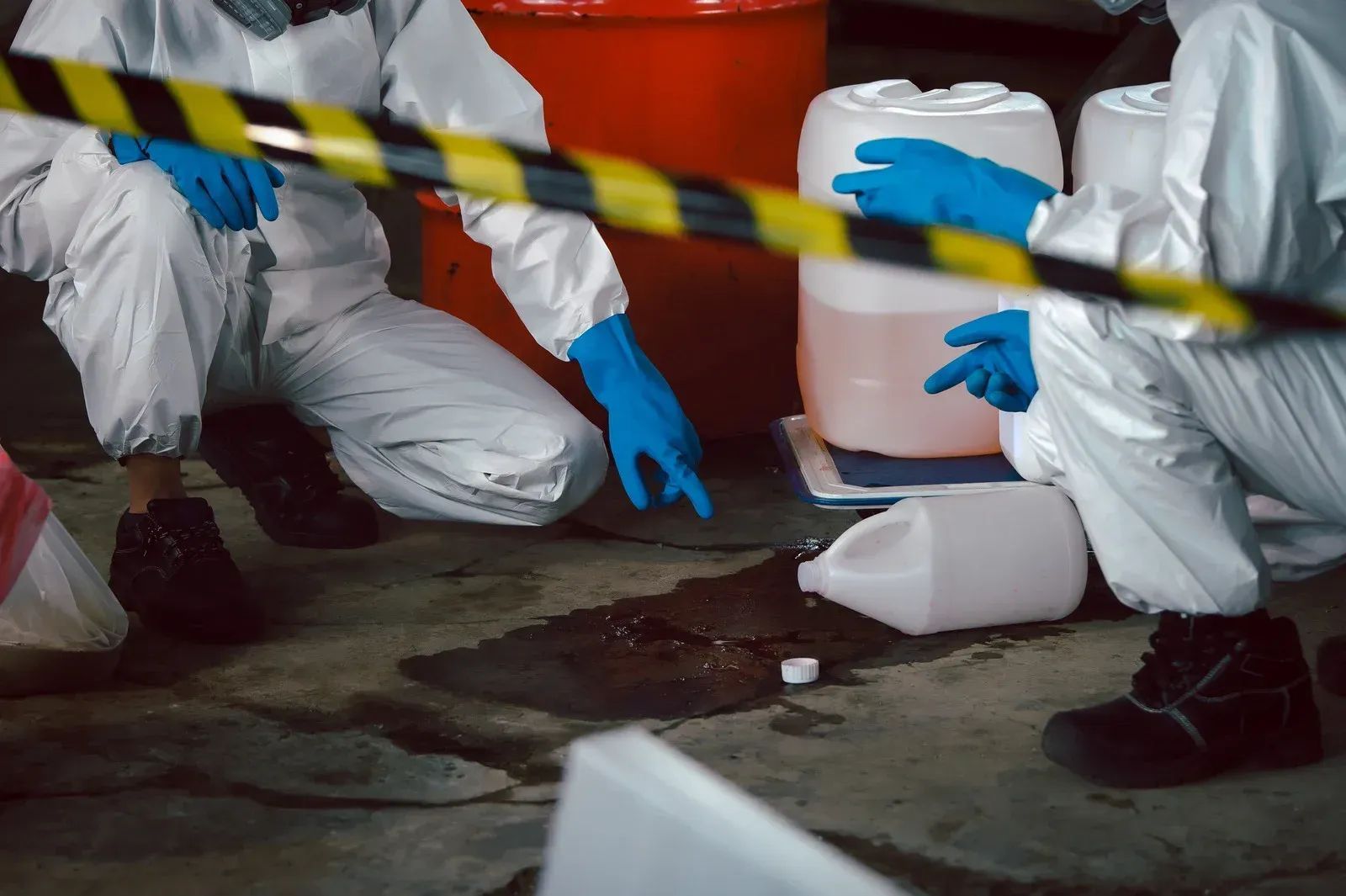
People in hazmat suits investigate a spill on a concrete floor near chemical containers, cordoned off by caution tape.
January 22, 2026
In industrial and commercial environments, major spills pose a significant risk to both personnel and the surrounding environment. From chemical leaks to hazardous material releases, the consequences of mishandled spills can range from serious injuries and environmental contamination to regulatory penalties,
Person wearing gloves lifts a weathered, gray asbestos roof panel.
December 29, 2025
Asbestos, once widely used in construction materials for its heat resistance and durability, poses serious health risks when disturbed.
Person in white protective suit inside a containment area, working on a wall with equipment.
November 25, 2025
sbestos, once commonly used in construction for its heat-resistant and insulating properties, poses serious health risks when disturbed. Exposure to asbestos fibers can lead to lung diseases, including asbestosis, mesothelioma, and lung cancer.
People in hazmat suits investigate a spill on a concrete floor near chemical containers, cordoned off by caution tape.
January 22, 2026
In industrial and commercial environments, major spills pose a significant risk to both personnel and the surrounding environment. From chemical leaks to hazardous material releases, the consequences of mishandled spills can range from serious injuries and environmental contamination to regulatory penalties,
Person wearing gloves lifts a weathered, gray asbestos roof panel.
December 29, 2025
Asbestos, once widely used in construction materials for its heat resistance and durability, poses serious health risks when disturbed.
Person in white protective suit inside a containment area, working on a wall with equipment.
November 25, 2025
sbestos, once commonly used in construction for its heat-resistant and insulating properties, poses serious health risks when disturbed. Exposure to asbestos fibers can lead to lung diseases, including asbestosis, mesothelioma, and lung cancer.
Show More