The Hidden Risks of DIY Asbestos Removal – Why Professional Help Is Crucial

April 22, 2026

Asbestos remains one of the most hazardous materials found in older residential, commercial, and industrial structures. Despite widespread awareness of its health risks, many property owners still consider do-it-yourself removal as a cost-saving option. This approach, however, introduces severe health, legal, and environmental dangers that are often underestimated. Disturbing asbestos-containing materials without proper containment can release microscopic fibers into the air, which may remain suspended for long periods and become easily inhaled. These fibers can also settle in hidden surfaces, creating ongoing exposure risks long after the initial disturbance.


The relevance of this topic continues to grow as aging infrastructure undergoes renovation and demolition across various regions. Buildings constructed before modern regulations frequently contain asbestos in insulation, flooring, roofing, and pipe coverings. When improperly handled, these materials can expose occupants and workers to long-term respiratory conditions, including asbestosis, lung cancer, and mesothelioma. Understanding the risks associated with unregulated removal is essential for ensuring safety and compliance with environmental laws, especially during large-scale renovation projects and property redevelopment activities.


Professional asbestos management exists not only to eliminate hazardous materials but also to safeguard public health through controlled procedures and specialized equipment. Recognizing why trained intervention is essential helps prevent irreversible damage and ensures that remediation efforts meet strict regulatory standards while maintaining a safe environment for all involved parties. It also provides structured accountability, ensuring every stage of removal, disposal, and clearance is handled with precision and documented safety compliance.

1. Understanding Asbestos Hazards in Built Environments

  • Hidden Presence in Older Structures

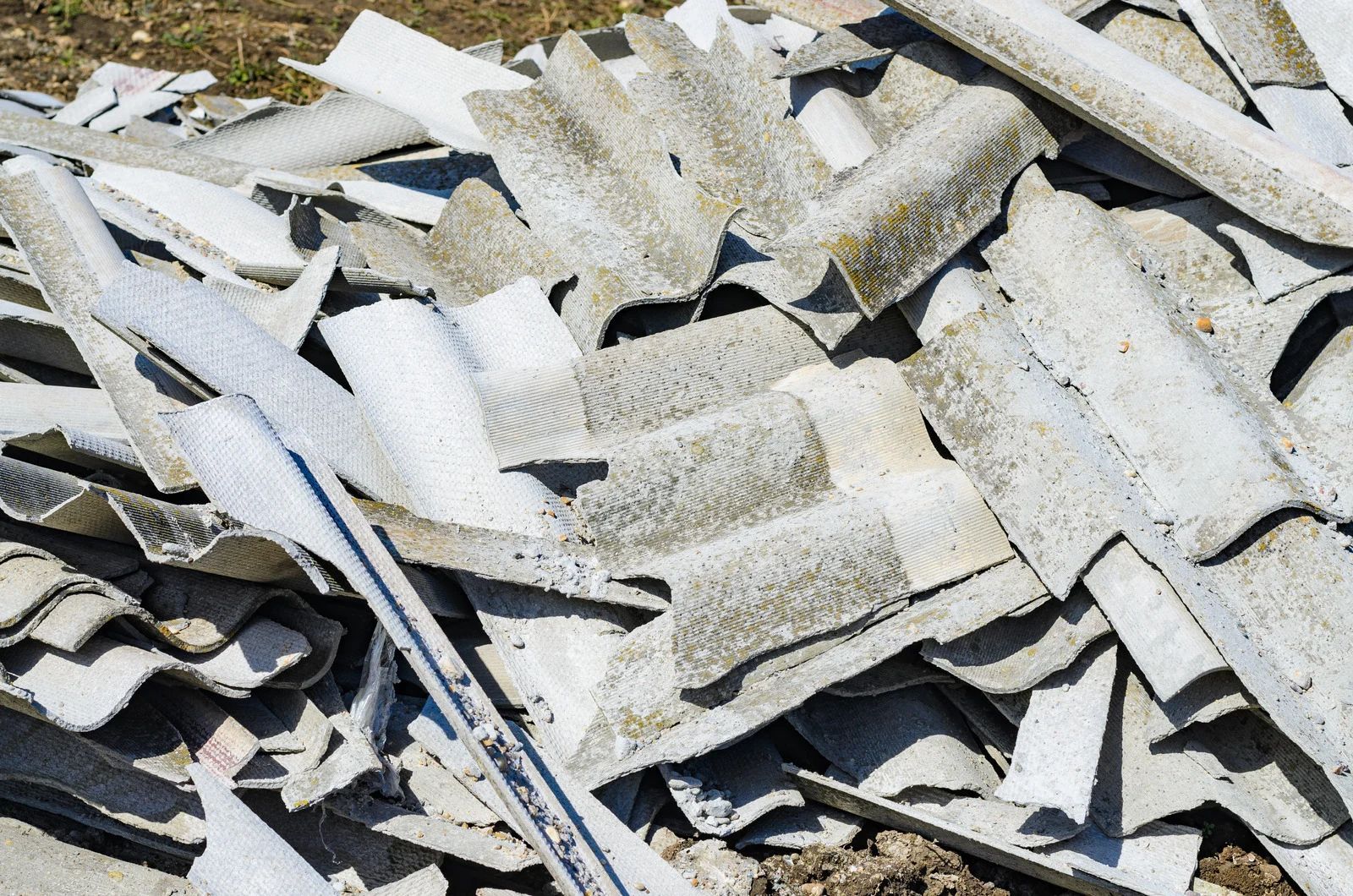
    Asbestos was widely used for its durability, heat resistance, and insulating properties. It can still be found in roofing sheets, ceiling tiles, insulation boards, cement products, and pipe lagging. Because these materials often appear harmless when intact, property owners may overlook the risk entirely during renovation planning, leading to unintentional disturbance during upgrades or demolition activities.

  • Fiber Release and Airborne Contamination

    When disturbed, asbestos breaks into microscopic fibers that are invisible to the naked eye. Once airborne, these fibers can remain suspended for hours or even days. Inhalation is the primary exposure route, making even short-term disturbance extremely dangerous in enclosed or poorly ventilated spaces where particles accumulate rapidly.

  • Long-Term Health Consequences

    Exposure does not produce immediate symptoms, which leads to underestimation of risk. Diseases such as mesothelioma and asbestosis can take decades to develop. This delayed impact often results in late diagnosis and limited treatment options, increasing the severity of health outcomes and long-term respiratory complications significantly.

2. Risks of DIY Asbestos Removal Practices

Lack of Proper Identification

Untrained individuals may fail to correctly identify asbestos-containing materials. Many modern building products resemble older asbestos-based materials, leading to accidental disturbance during renovations and increasing the chance of dangerous fiber release into occupied environments.

Improper Handling Techniques

DIY removal often involves breaking, cutting, or scraping materials without containment. These actions significantly increase fiber release. Without negative pressure systems or sealed environments, contamination spreads rapidly through living or working spaces, affecting multiple areas beyond the original site.

Inadequate Personal Protection

Standard dust masks and household cleaning tools are insufficient for asbestos exposure control. Certified respirators, disposable protective suits, and specialized filters are required to minimize inhalation risk and prevent fibers from attaching to skin, hair, and clothing during handling activities.

Cross-Contamination of Surroundings

Fibers can attach to clothing, furniture, and ventilation systems. Without decontamination protocols, asbestos may be unknowingly transported to vehicles, homes, and public spaces, expanding exposure zones far beyond the original site and creating secondary contamination risks for others nearby.

4. Importance of Professional Asbestos Assessment

  • Accurate Material Identification

    Certified asbestos assessment involves laboratory testing and structured inspection methods. This ensures precise identification of hazardous materials before any physical disturbance occurs, reducing the risk of accidental exposure during renovation, demolition, or maintenance activities in older structures significantly.

  • Risk Categorization and Planning

    Professionals evaluate material condition, location, and exposure potential. Based on findings, a controlled removal or encapsulation plan is developed to minimize risk during remediation, ensuring all procedures align with regulatory requirements and site-specific safety considerations for long-term protection.

  • Controlled Work Environments

    Specialized containment systems, including sealed barriers and air filtration units, prevent fiber escape during removal. Negative air pressure technology ensures contaminants remain isolated within designated zones, reducing cross-contamination risks and maintaining safe surrounding conditions throughout the entire remediation process effectively.

  • Monitoring and Verification

    Air quality testing is conducted before, during, and after removal activities. This verification process ensures that environments are safe for reoccupation and meet regulatory clearance standards, providing documented evidence of successful decontamination and compliance with all required safety protocols and guidelines.

5. Safe Removal Practices and Industry Standards

Structured Removal Procedures

Professional asbestos removal follows step-by-step protocols designed to limit disturbance. Materials are carefully wetted, sealed, and extracted in controlled sections rather than being broken or fragmented, ensuring minimal fiber release and maintaining safe containment throughout the entire removal operation process.

Specialized Equipment Usage

High-efficiency particulate air (HEPA) vacuums, industrial-grade sealants, and protective enclosures are standard tools in safe removal operations. These reduce airborne contamination and ensure secure handling, allowing controlled extraction of hazardous materials while maintaining compliance with strict safety and environmental regulations.

Waste Containment and Transportation

All asbestos waste is double-bagged, labeled, and transported under strict regulations. This ensures hazardous materials do not contaminate public routes or disposal sites, maintaining environmental safety standards while preventing accidental exposure during transit to authorized waste management facilities for final disposal.

Post-Removal Decontamination

After removal, thorough cleaning of surfaces, air systems, and surrounding areas is conducted. This step ensures that no residual fibers remain, reducing long-term exposure risks significantly and confirming that the space is safe for reoccupation through verified clearance testing procedures.

6. Cost vs. Safety Perspective in Asbestos Management

  • Misconception of DIY Savings

    While DIY removal may appear cost-effective initially, hidden expenses often arise from contamination cleanup, medical risks, and legal penalties. These costs far exceed professional service investment, especially when long-term health consequences and property decontamination requirements are factored into overall financial impact assessments.

  • Value of Professional Expertise

    Certified specialists bring technical knowledge, regulatory compliance, and advanced equipment that significantly reduce risk. This expertise ensures safe completion of complex removal tasks, providing structured solutions that minimize exposure while maintaining adherence to all required safety and environmental standards throughout the project.

  • Long-Term Property Protection

    Proper asbestos management preserves property value by ensuring compliance and safety certification. Buildings cleared by professionals are more marketable and legally secure for future transactions, offering buyers confidence in structural safety and reducing potential liabilities associated with hidden hazardous material exposure risks.

  • Risk Reduction as Primary Benefit

    The most significant advantage of professional intervention is risk elimination. Protecting health and preventing contamination outweigh all perceived short-term financial savings associated with DIY approaches, ensuring long-term safety, regulatory compliance, and environmental responsibility in all asbestos management scenarios effectively and reliably.

Trusted Asbestos Testing Approach Ensuring Safe Compliance

Asbestos exposure remains a serious environmental and health concern, particularly when improper removal practices are attempted without training or equipment. The risks associated with DIY handling extend beyond immediate exposure, affecting long-term health, legal compliance, and surrounding environments. Understanding material identification, containment procedures, and regulatory requirements is essential to preventing hazardous outcomes. Professional intervention ensures that asbestos is managed through controlled, compliant, and scientifically validated processes that prioritize safety at every stage. Relying on certified asbestos removal specialists eliminates uncertainty and significantly reduces exposure risks. Proper assessment, containment, and disposal practices safeguard both occupants and surrounding communities while maintaining regulatory compliance and environmental responsibility.


We at The Asbestos Company operate with a strong commitment to safety, precision, and regulatory excellence in every asbestos-related project. With over 25+ years of focused industry experience in asbestos testing and assessment services, our organization provides reliable expertise tailored to residential, commercial, and industrial environments. Based in Northglenn, Colorado, our approach emphasizes accuracy, controlled procedures, and strict adherence to safety standards. Each project is handled with meticulous attention to detail, ensuring hazardous materials are properly identified before any intervention begins. Our certified processes are designed to minimize exposure risks and maintain environmental integrity throughout every stage of assessment. By combining technical knowledge with advanced testing methodologies, we deliver dependable results that support safe decision-making and compliant remediation planning. The Asbestos Company remains dedicated to maintaining trusted standards in asbestos safety and ensuring every project is managed with professional accountability.

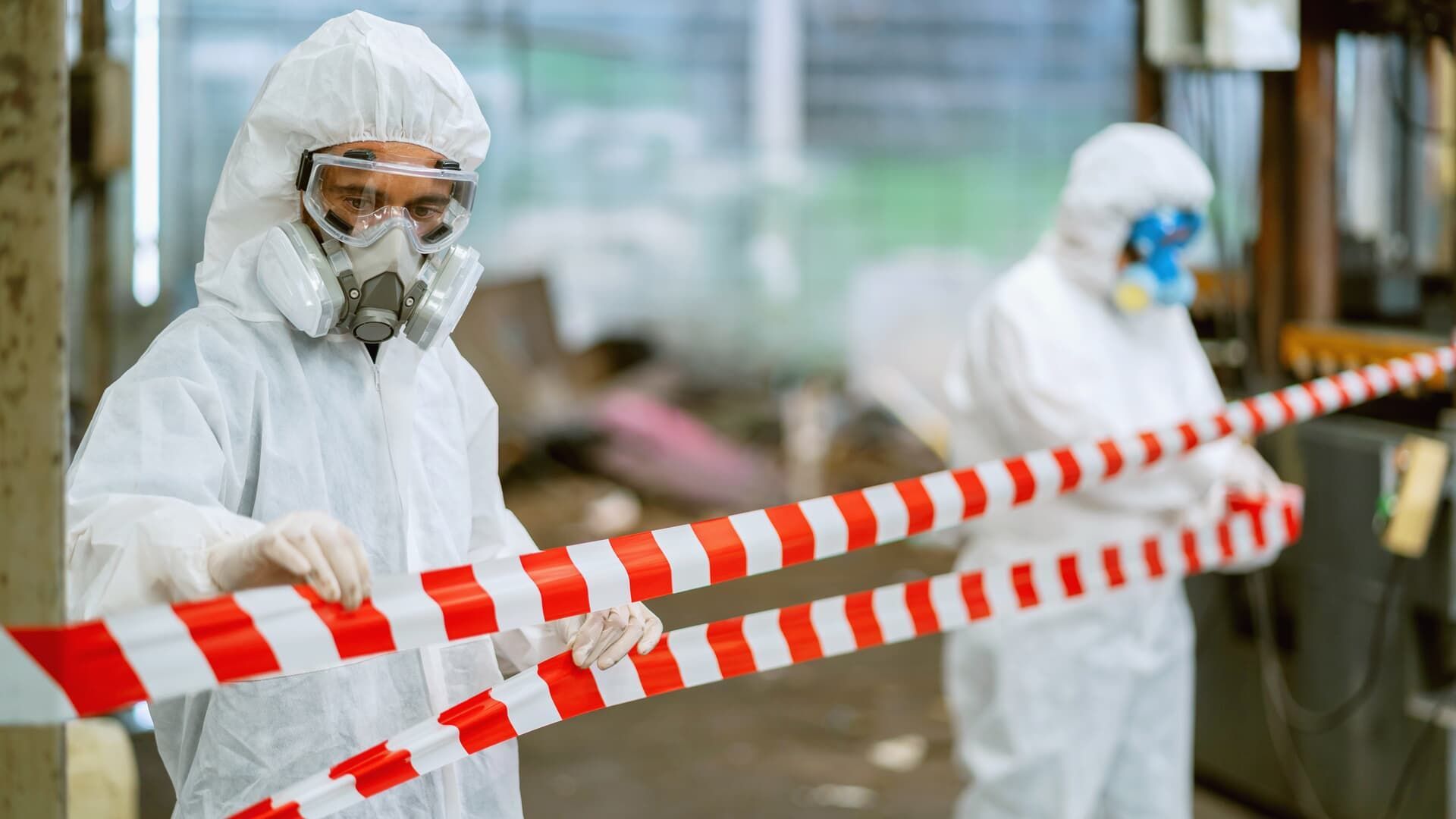
Two workers in white hazmat suits and respirators hold a red and white barrier tape in an industrial setting.
March 25, 2026
Hazardous material spills present immediate risks to human health, the environment, and property. Whether in industrial plants, laboratories, transportation corridors, or construction sites, even a minor spill can escalate into a serious incident if not handled correctly.
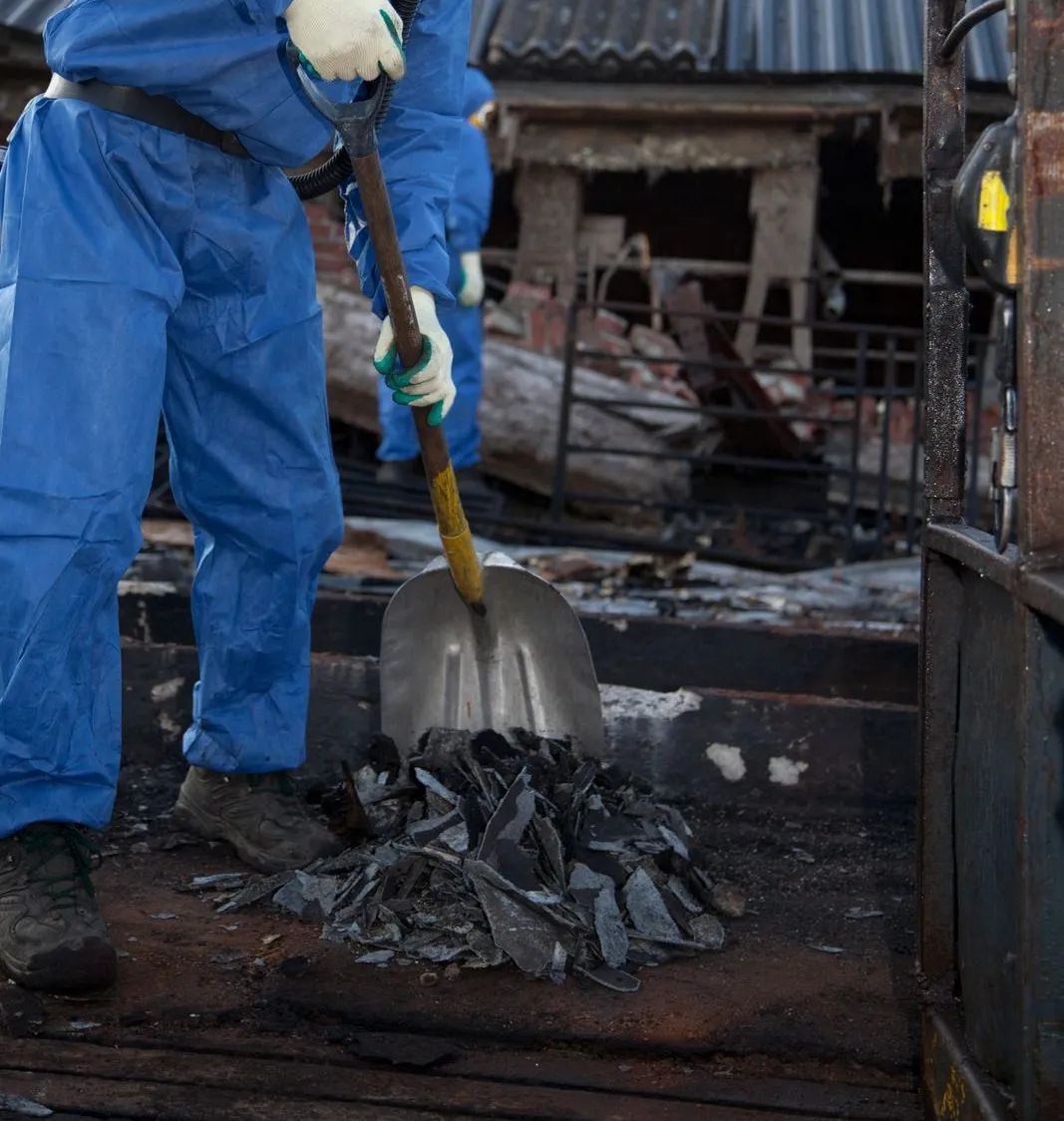
Person in blue coveralls shoveling debris from a charred structure.
February 20, 2026
Methamphetamine production and abuse have far-reaching consequences that extend far beyond the immediate users. One of the most insidious dangers lies in the toxic residue left behind after methamphetamine is manufactured or consumed in a residential space.
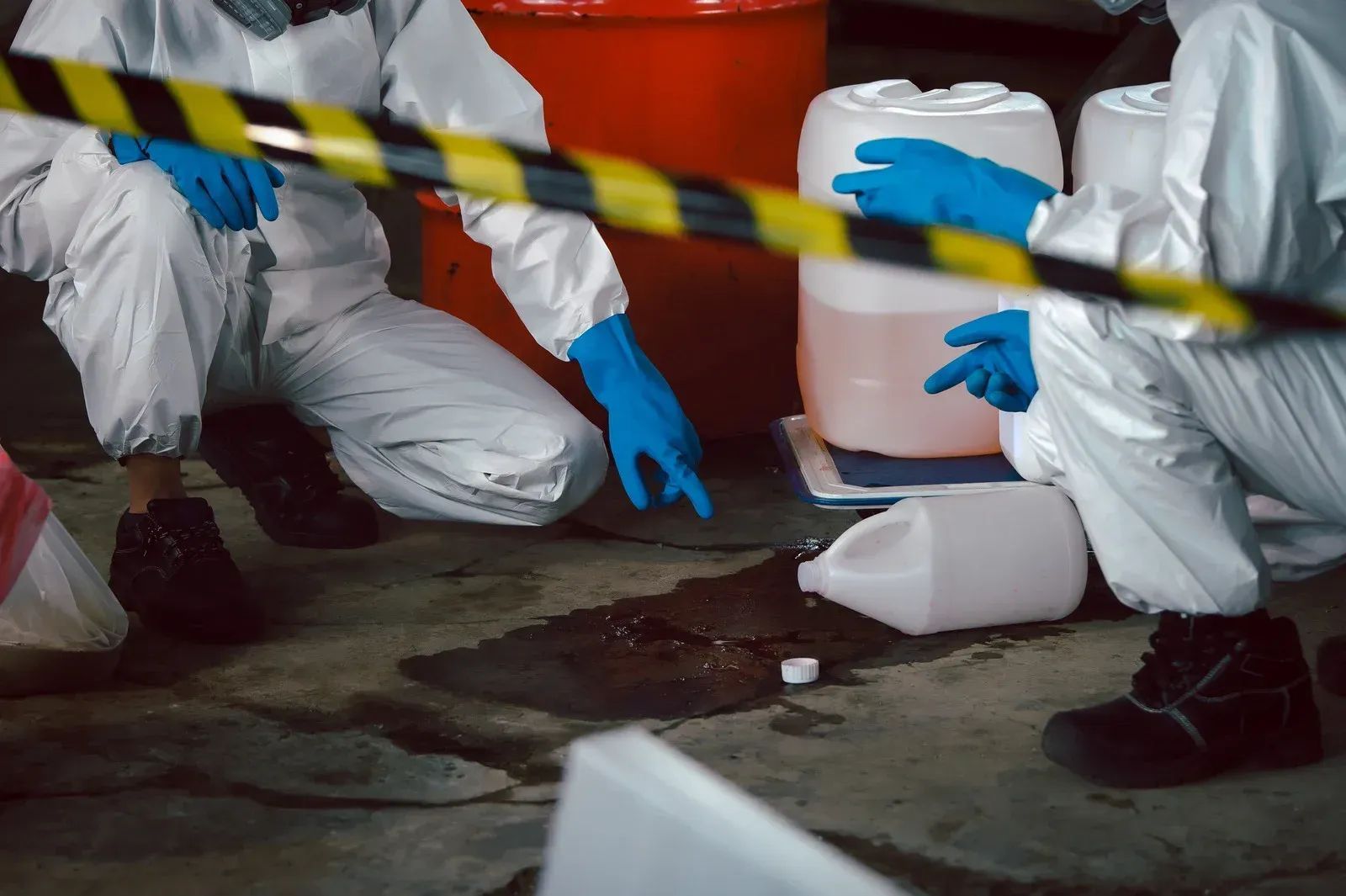
People in hazmat suits investigate a spill on a concrete floor near chemical containers, cordoned off by caution tape.
January 22, 2026
In industrial and commercial environments, major spills pose a significant risk to both personnel and the surrounding environment. From chemical leaks to hazardous material releases, the consequences of mishandled spills can range from serious injuries and environmental contamination to regulatory penalties,
Two workers in white hazmat suits and respirators hold a red and white barrier tape in an industrial setting.
March 25, 2026
Hazardous material spills present immediate risks to human health, the environment, and property. Whether in industrial plants, laboratories, transportation corridors, or construction sites, even a minor spill can escalate into a serious incident if not handled correctly.
Person in blue coveralls shoveling debris from a charred structure.
February 20, 2026
Methamphetamine production and abuse have far-reaching consequences that extend far beyond the immediate users. One of the most insidious dangers lies in the toxic residue left behind after methamphetamine is manufactured or consumed in a residential space.
People in hazmat suits investigate a spill on a concrete floor near chemical containers, cordoned off by caution tape.
January 22, 2026
In industrial and commercial environments, major spills pose a significant risk to both personnel and the surrounding environment. From chemical leaks to hazardous material releases, the consequences of mishandled spills can range from serious injuries and environmental contamination to regulatory penalties,
Show More