Understanding the Asbestos Disposal & Clearance Process: What Homeowners Need to Know

Asbestos, once widely used in construction materials for its heat resistance and durability, poses serious health risks when disturbed. From insulation and roofing materials to floor tiles and siding, asbestos-containing products remain prevalent in homes built before the 1980s. For homeowners, understanding the proper handling, disposal, and clearance of asbestos is not only a legal requirement but also a crucial step in safeguarding family health. Inhaling asbestos fibers can lead to severe respiratory illnesses, including asbestosis, lung cancer, and mesothelioma, making careful management essential.
Many homeowners underestimate the complexity of asbestos removal. It is not as simple as discarding materials in the trash; improper handling can spread harmful fibers throughout the home or neighborhood, creating a significant hazard. This guide offers a comprehensive overview of the asbestos disposal and clearance process, equipping homeowners with the knowledge needed to make informed decisions. By understanding regulations, procedures, and safety measures, homeowners can ensure compliance, protect their household, and maintain peace of mind during renovation, demolition, or property maintenance projects.
Identifying Asbestos in Your Home
Common Locations of Asbestos
Asbestos can be found in various areas of older homes. Common materials include:
Insulation: Around pipes, boilers, and attics, often hidden from plain sight.
- Flooring: Vinyl tiles, linoleum, and backing materials that may deteriorate over time.
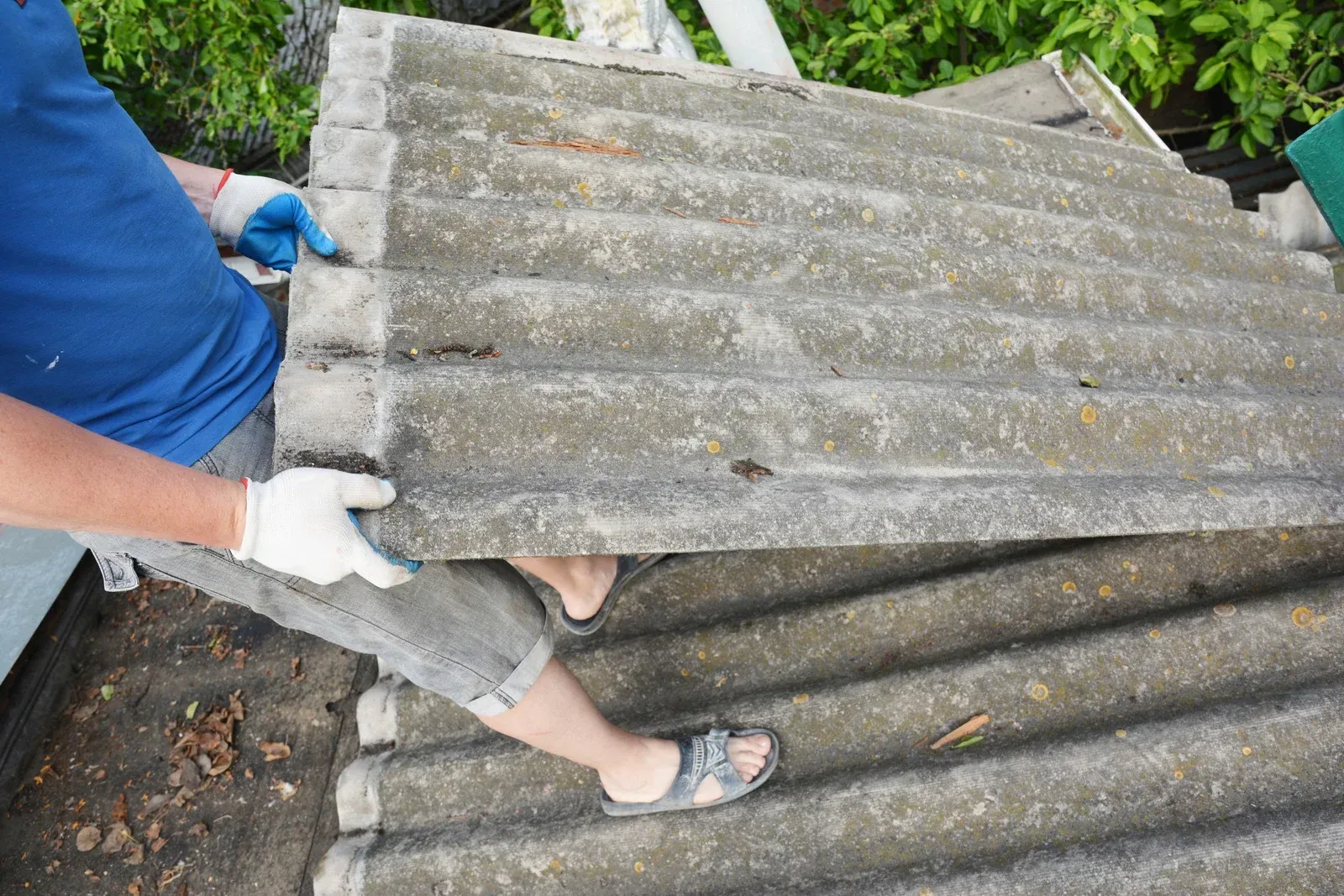
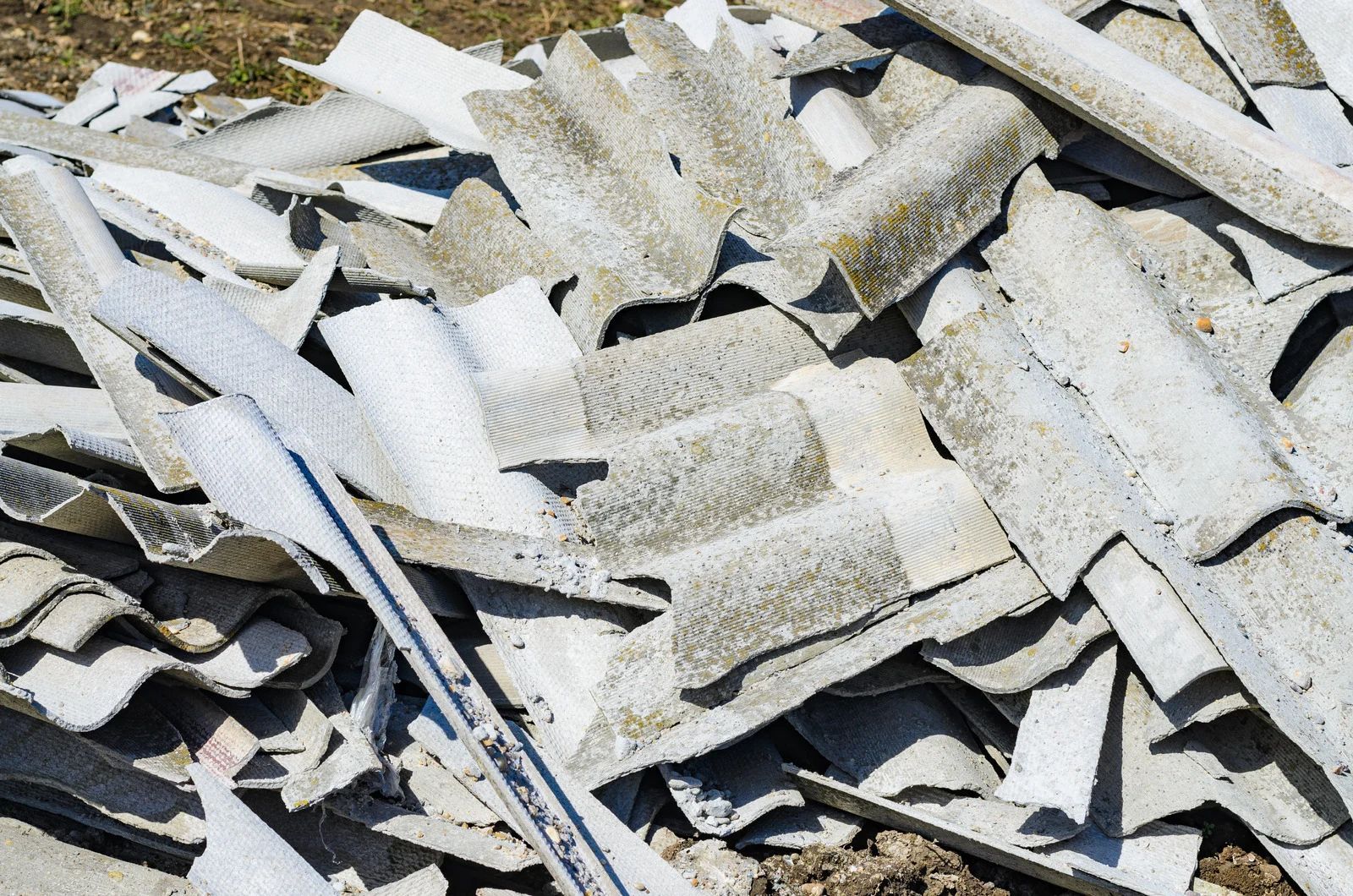
- Roofing & Siding: Shingles and cement sheets used in original construction materials.
- Textured Coatings: Popcorn ceilings or spray-applied finishes, frequently overlooked by homeowners.
Recognizing these materials is the first step in assessing risk thoroughly. Homeowners should not assume that all old materials contain asbestos; professional testing is always essential to confirm its actual presence.
Signs That Indicate Potential Asbestos
Although asbestos-containing materials may look normal, certain indicators can raise suspicion:
- Age of the property (pre-1980s construction is most likely to contain asbestos)
- Fraying, crumbling, or damaged materials that may release harmful fibers
- Historical use of asbestos in similar building components during that era
Professional inspection is strongly recommended to accurately identify asbestos, as visual assessment alone can be misleading and potentially dangerous.
Testing and Assessment
Certified laboratories can analyze samples for asbestos content accurately and safely. A small material sample is collected following strict safety protocols to avoid fiber release, ensuring minimal exposure risk. Homeowners should never attempt to take samples themselves without proper protective equipment, because even minor exposure can result in serious long-term health risks.
Understanding the Legal and Safety Requirements
Regulatory Overview
Asbestos removal and disposal are strictly regulated due to severe health risks. In the United States, the Environmental Protection Agency (EPA) and Occupational Safety and Health Administration (OSHA) set guidelines for:
- Safe handling practices during removal and demolition activities
- Proper disposal methods for hazardous asbestos-containing materials
- Required permits for large-scale or commercial asbestos removal projects
Failure to comply can result in serious legal penalties and endanger surrounding communities. Homeowners must familiarize themselves with local and state-specific regulations, as rules and enforcement practices can vary widely.
Personal Safety Measures
Even minor disturbances can release asbestos fibers into the surrounding air and environment. Key safety practices include:
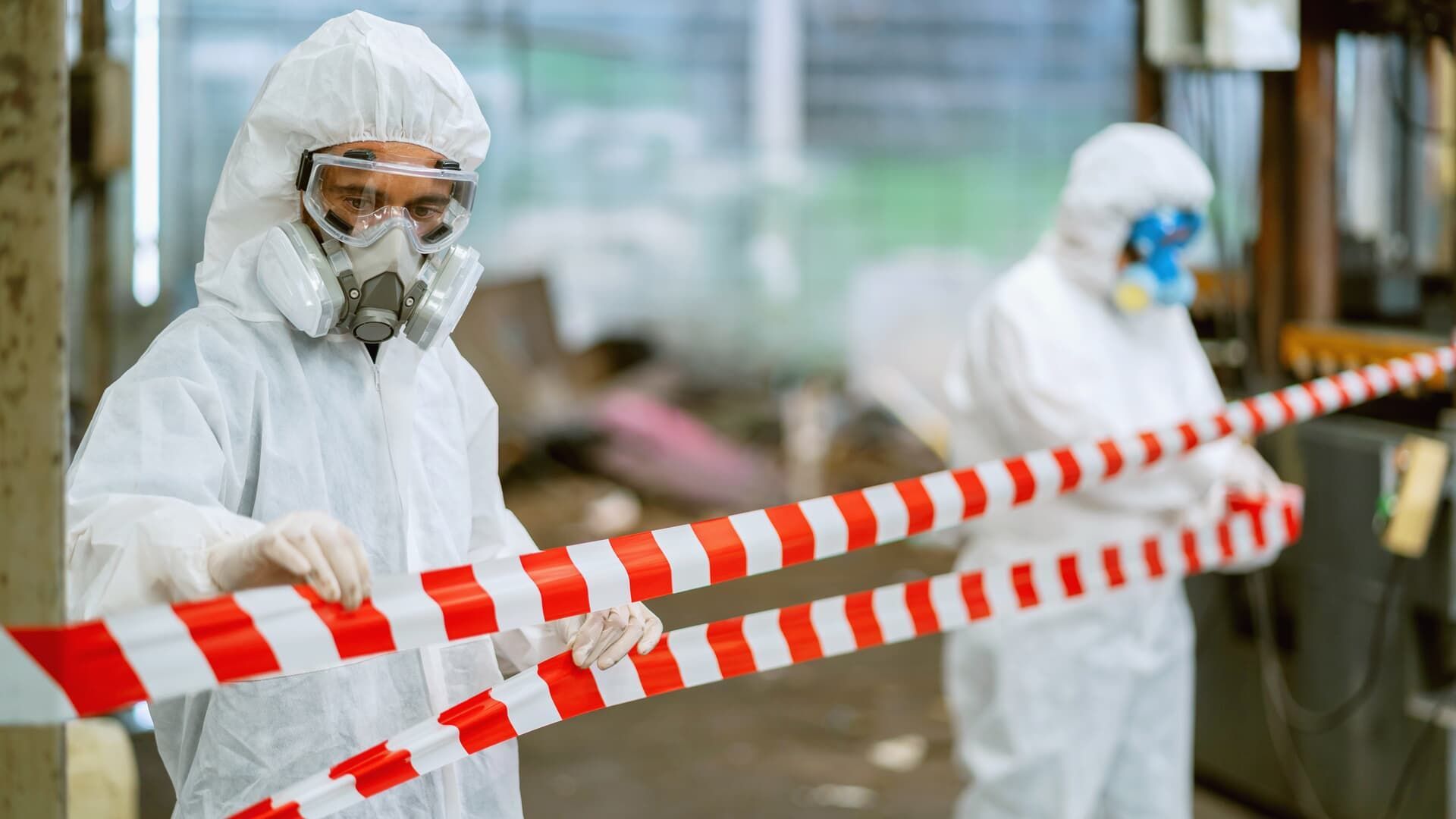
- Wearing certified respirators and protective clothing at all times
- Isolating the work area with plastic sheeting to contain fibers
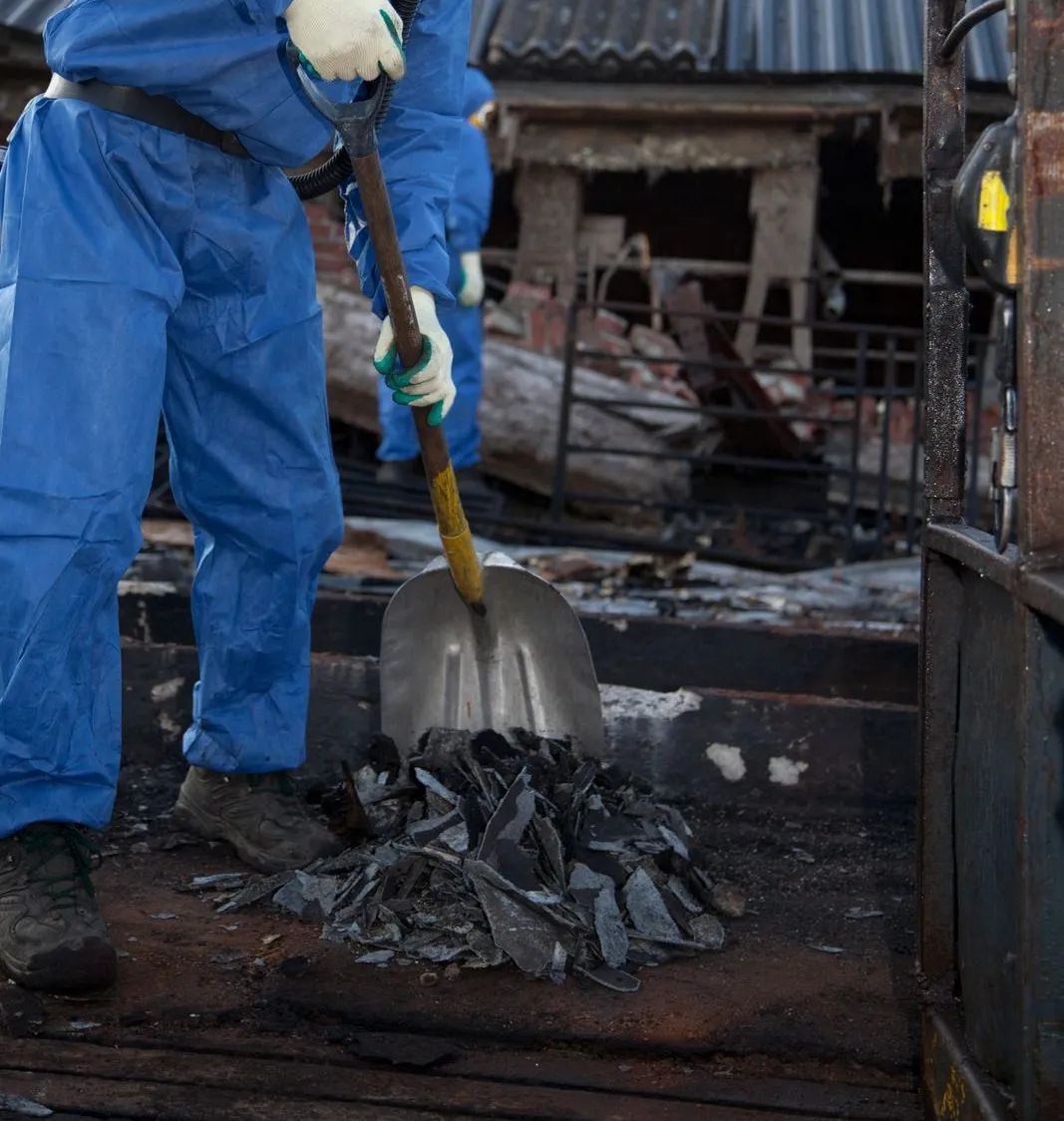
- Using wet removal techniques to minimize dust and airborne particles
Following these safety guidelines is critical not only for those handling asbestos but also for anyone living in or around the home during removal activities.
Hiring Licensed Professionals
While small, non-friable asbestos projects may be legally manageable by homeowners in some areas, hiring certified asbestos abatement professionals ensures:
- Compliance with all safety and disposal regulations at every stage
- Proper containment and removal to prevent contamination
- Reduced risk of exposure for both workers and residents
Professionals bring specialized equipment, experience, and expertise that drastically reduce the likelihood of accidental exposure or mistakes during the removal process.
The Asbestos Removal Process
Preparation and Containment
The first step in any asbestos removal project is properly preparing the work area. This involves:
Removal Techniques
Removal methods depend on the material type, condition, and location:
Safe Transport and Storage
- Clearly marked containers identifying asbestos contents
- Approved transport routes to certified disposal facilities
- Documentation of disposal to ensure legal compliance
Proper transport prevents accidental exposure to the public and ensures adherence to environmental safety standards at all times.
Asbestos Disposal Protocols
Approved Disposal Sites
Asbestos cannot be discarded in regular landfills under any circumstances. Disposal must occur at approved facilities equipped to handle hazardous waste. Key steps include:
- Contacting local authorities to identify certified and legal disposal sites
- Scheduling delivery with waste management services experienced in asbestos handling
- Following facility-specific guidelines for safe and compliant drop-off
Disposal Documentation
Maintaining detailed records of asbestos disposal is essential for legal compliance and future reference. Documentation typically includes:
- Quantity and type of material removed from the property
- Dates of removal, transport, and delivery
- Facility details and confirmation of safe disposal
Proper documentation not only protects homeowners legally but also helps future property owners understand the building’s history and previous abatement work.
Environmental Considerations
Correct asbestos disposal prevents environmental contamination and long-term ecological risks. Improper disposal can pollute soil and water, posing significant hazards to wildlife and nearby communities. Homeowners and contractors alike must prioritize environmentally responsible practices at every stage of removal and disposal.
Post-Removal Clearance and Testing
Clearance Certification
Once asbestos removal is complete, clearance testing confirms that the property is safe for occupancy. Certified professionals conduct air sampling to ensure fiber levels are below regulated limits. Clearance certification typically involves:
- Visual inspection for leftover debris or dust in the work area
- Airborne fiber analysis to confirm safe levels
- Documentation certifying safe re-occupancy of the home
Importance of Clearance Testing
Without clearance testing, even removed asbestos materials may leave residual fibers in the air or on surfaces. Clearance testing protects residents from long-term exposure and verifies that abatement procedures were effective and thorough.
Ongoing Monitoring
In some cases, ongoing monitoring may be recommended, particularly if asbestos-containing materials remain in inaccessible areas or hidden spaces. Periodic inspections ensure that no fibers are released over time, maintaining a consistently safe environment for all residents.
Best Practices and Expert Tips for Homeowners
Hiring the Right Professionals
- Choose licensed, insured, and experienced asbestos abatement companies with verified credentials
- Request references and check previous project records for reliability
- Confirm adherence to local, state, and federal regulations throughout the project
Planning and Preparation
- Schedule removal during periods when residents can be temporarily relocated for safety
- Remove personal items from work areas to reduce contamination risk
- Establish a clear communication plan with contractors for smooth project execution
Cost Considerations
Asbestos abatement costs vary based on material type, quantity, and project complexity. While DIY approaches may appear cheaper initially, professional handling prevents costly health risks, regulatory fines, and long-term legal liabilities.
Educating Household Members
Inform family members about asbestos hazards, safe practices, and restricted areas. Simple awareness can prevent accidental exposure during renovations, maintenance activities, or future repairs.
Benefits of Proper Disposal and Clearance
- Protects health and prevents serious respiratory diseases over time
- Ensures legal compliance and avoids fines or penalties
- Maintains property value and enhances resale potential
- Promotes environmental safety and responsible community practices
Understanding the asbestos disposal and clearance process empowers homeowners to make informed decisions during renovations, demolitions, or property maintenance. Identifying materials, following legal requirements, hiring professionals, and ensuring proper disposal and clearance are critical steps in mitigating risks. By adhering to best practices, homeowners protect their families, communities, and investment in their property. A systematic approach ensures not only safety but also long-term compliance with environmental and health standards.
Top Recommendations from Industry Professionals on Asbestos
Asbestos removal and clearance are complex but essential undertakings for homeowners dealing with older properties. Proper identification, regulatory compliance, professional removal, safe disposal, and clearance testing collectively minimize exposure risks and ensure the safety of residents. Homeowners who follow these processes protect both health and property, while avoiding legal complications or environmental hazards. Awareness and adherence to best practices ultimately make the abatement process efficient, safe, and sustainable.
For homeowners seeking a trusted partner, The Asbestos Company
in Northglenn, Colorado, stands as a leading authority with 25
years of experience in safe and reliable asbestos management. The company offers comprehensive services including inspection, removal, disposal, and post-removal clearance, tailored to meet the unique needs of residential properties. With a commitment to safety, regulatory compliance, and customer satisfaction, The Asbestos Company
ensures every project is handled professionally, responsibly, and efficiently. Homeowners can rely on their team for expert guidance, meticulous execution, and peace of mind throughout every stage of the asbestos management process.